Fire & Smoke Damage Restoration Rockford IL

Emergency soot cleanup, smoke remediation, odor removal, structural cleaning, and fire damage recovery throughout Rockford IL.

24/7 Fire Damage Restoration In Rockford, IL

Emergency fire, smoke, soot, and odor cleanup services throughout Rockford and surrounding areas.

★ IICRC Certified | ★ 5-Star Rated
★ 24/7 Emergency Response

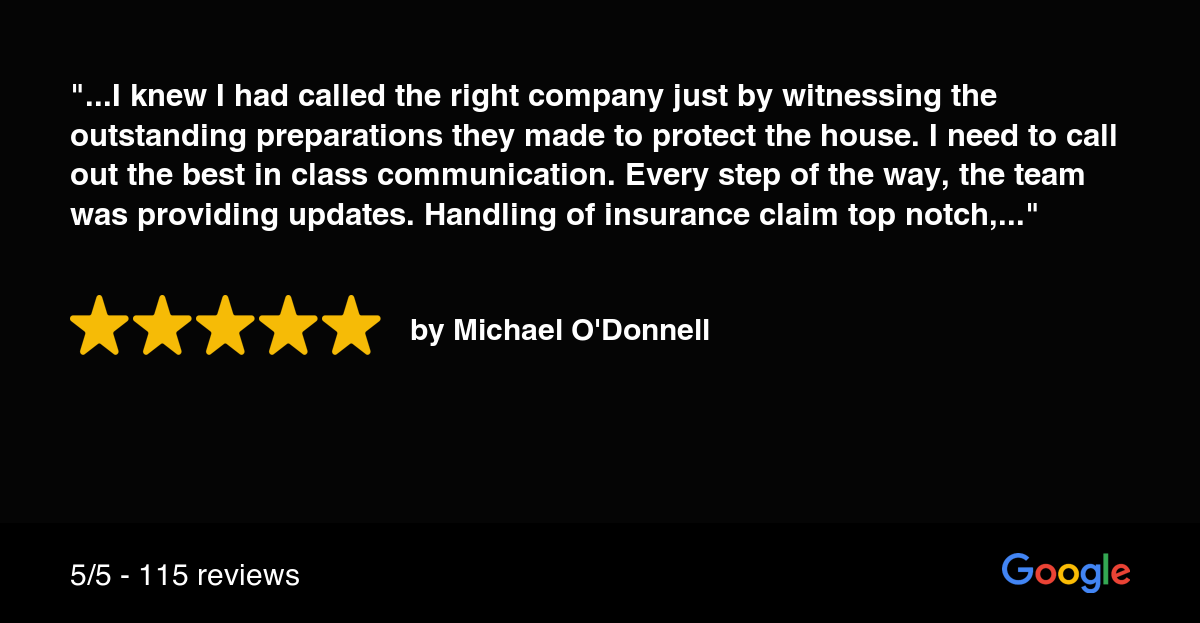
Trusted Fire Damage Restoration Backed By Real Rockford Reviews

Homeowners across Rockford trust Power Restoration of Rockford for honest service, emergency response, and professional cleanup after fire, smoke, soot, and odor damage.

Why Rockford Homeowners Trust Power Restoration After Fire Damage

After a fire, choosing the right restoration company matters. Power Restoration helps Rockford property owners stabilize the damage, clean smoke and soot contamination, remove lingering odors, document the loss, and move the property toward safe restoration with a professional, customer-first process.

Trusted Fire Restoration Reviews

Rockford homeowners trust Power Restoration for honest communication, emergency response, and professional fire damage cleanup.

Why Rockford Homeowners Trust Power Restoration

After a fire, choosing the right restoration company matters. Power Restoration helps Rockford homeowners stabilize damage, remove smoke and soot contamination, eliminate lingering odors, and move the property toward safe professional restoration.

Emergency Structural Stabilization After Fire Damage

Severe fire losses can compromise framing, flooring systems, roof structures, drywall assemblies, and load-bearing components throughout the property. Emergency stabilization procedures help secure unsafe conditions, prevent additional collapse risks, and prepare the structure for safe restoration and reconstruction work following a fire event.
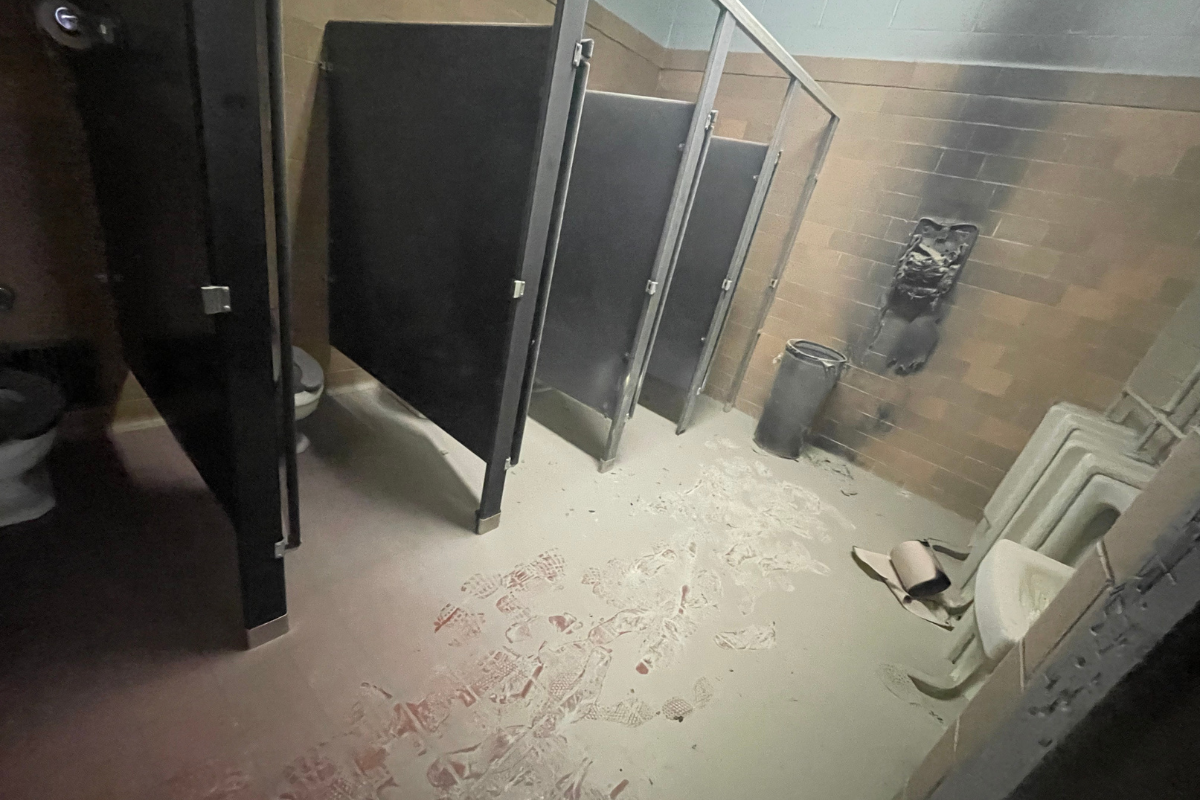
How Smoke Contamination Spreads Throughout A Property

Smoke particles can rapidly travel through hallways, wall cavities, HVAC systems, insulation, attics, and ventilation pathways far beyond the original fire source. Even isolated fires may leave widespread contamination throughout the structure if emergency cleaning and containment procedures are delayed.
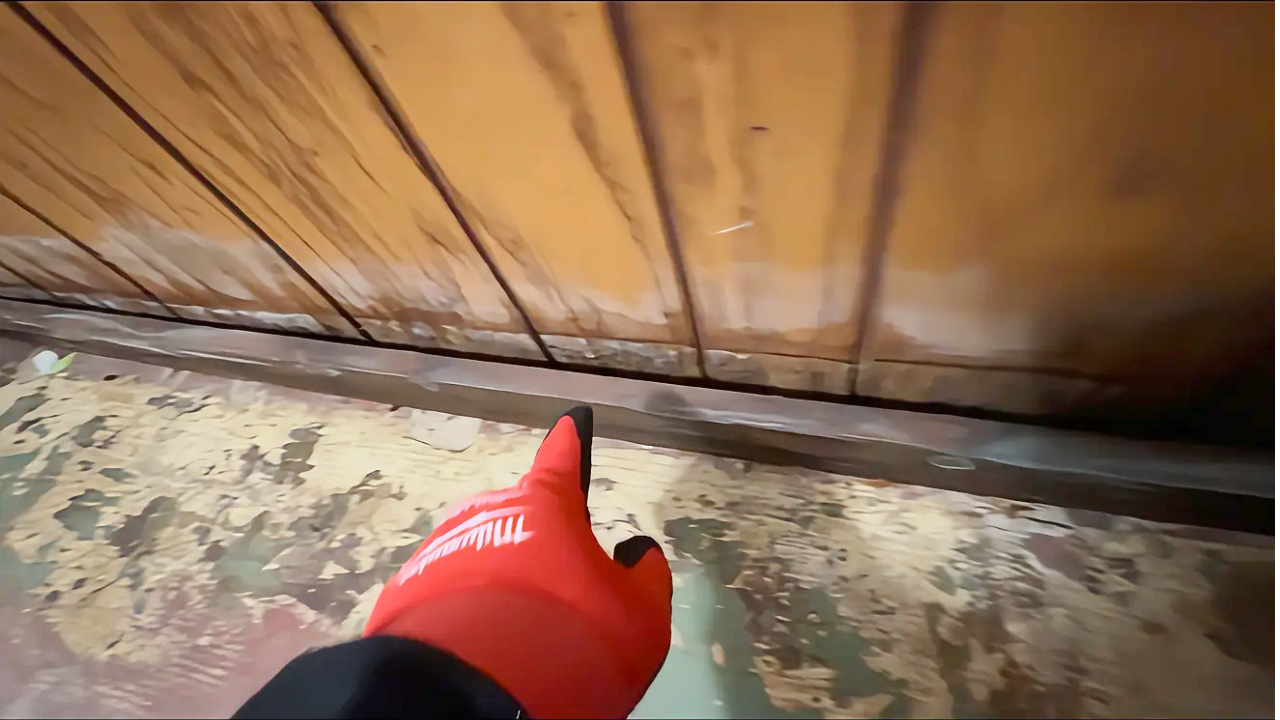
Why Fire-Damaged HVAC Systems Often Require Professional Cleaning

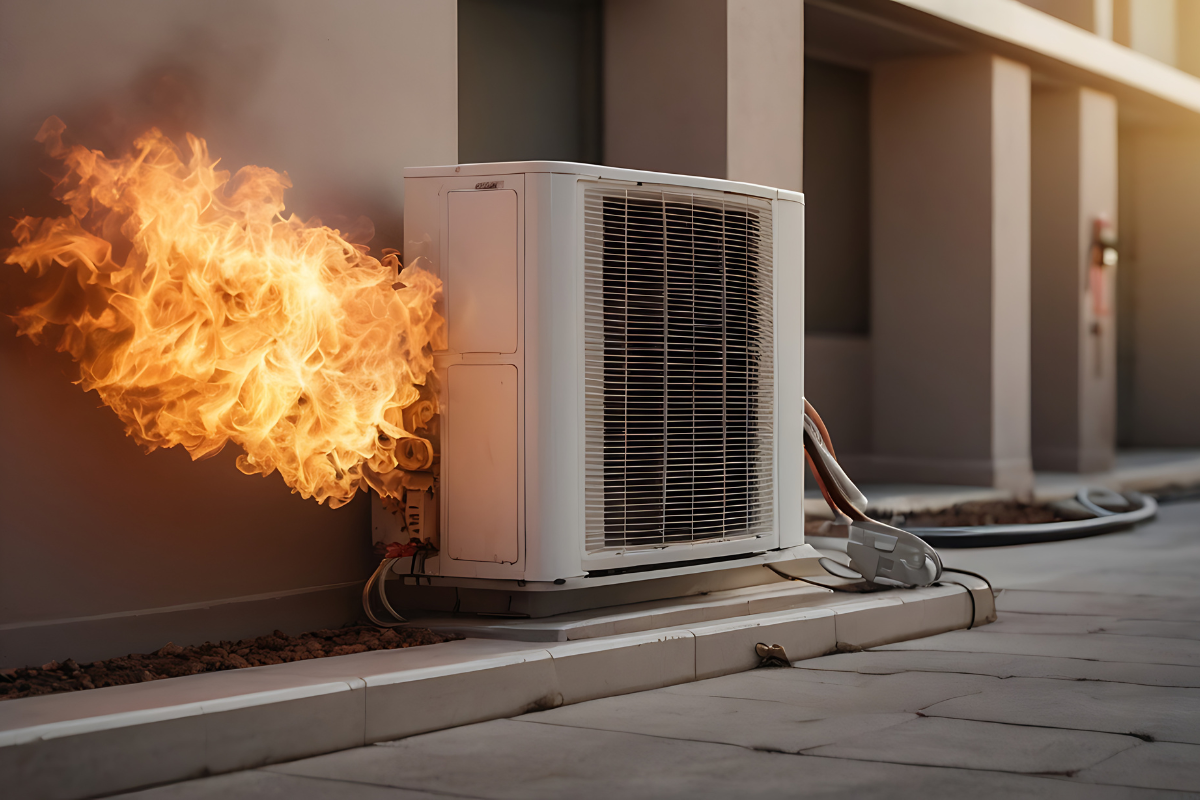
Smoke residue and soot particles frequently enter ductwork and ventilation systems during a fire. Without professional cleaning, contaminated HVAC systems may continue circulating odors, airborne debris, and smoke particles throughout the property long after visible damage has been removed.
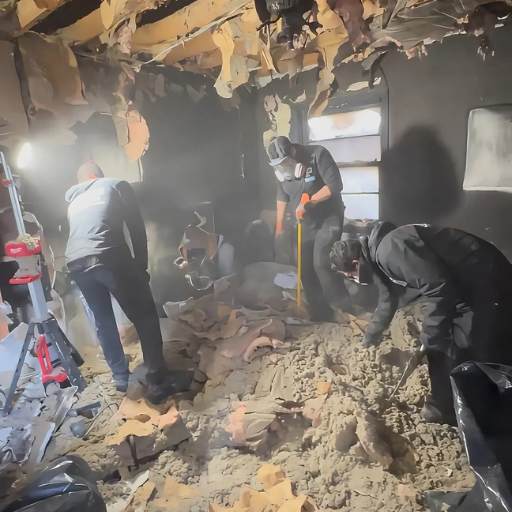
Emergency Structural Stabilization After Fire

Severe fires can compromise framing, flooring systems, roof structures, drywall, and other structural components throughout the property. Emergency stabilization helps secure unsafe conditions, reduce collapse risks, and prepare the structure for safe restoration and reconstruction.

How Smoke Contamination Spreads Throughout A Property

Smoke particles can quickly spread through hallways, wall cavities, HVAC systems, insulation, attics, and ventilation pathways far beyond the original fire source. Even small fires can leave widespread contamination throughout the property if cleaning and containment are delayed.

Why Fire-Damaged HVAC Systems Often Require Professional Cleaning

Smoke residue and soot particles often enter ductwork and ventilation systems during a fire. Without professional cleaning, contaminated HVAC systems may continue circulating odors, airborne debris, and smoke particles throughout the property even after visible damage is removed.
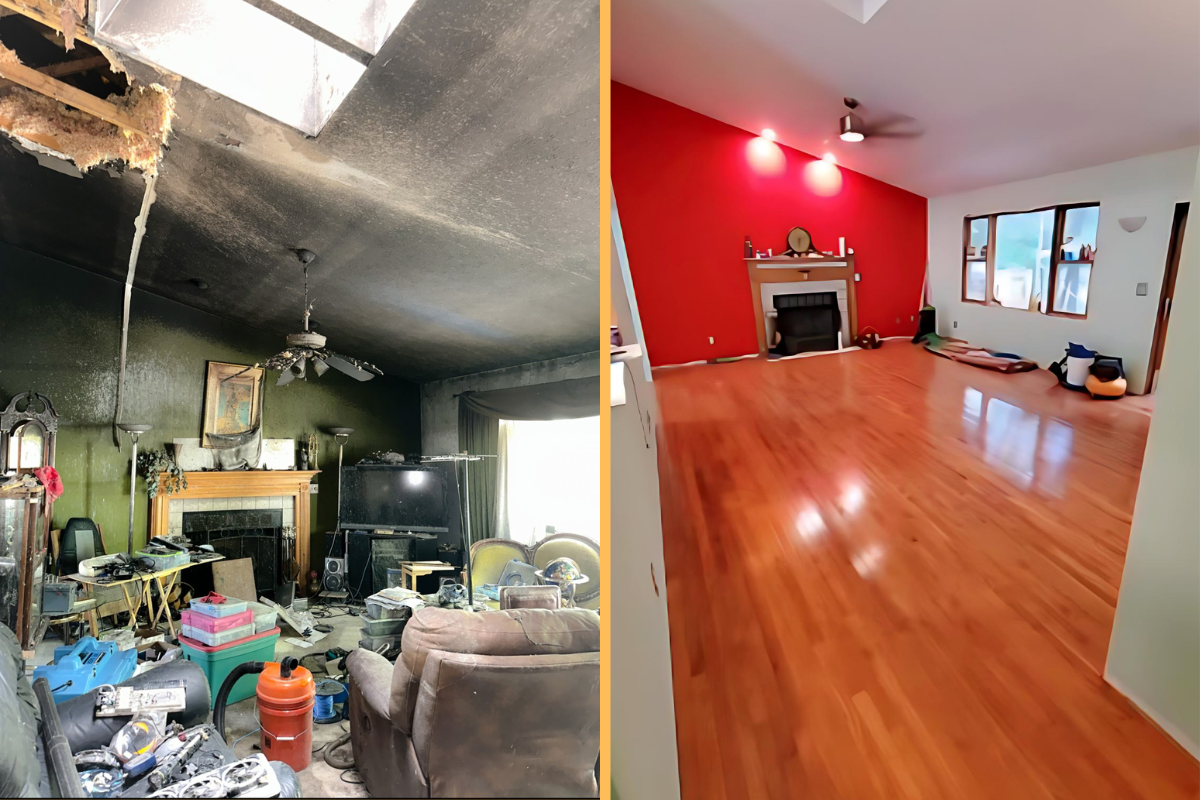
We Remove Fire Damage And Rebuild Your Home

Professional fire restoration involves more than smoke cleanup alone. Severe fire losses may require demolition, structural stabilization, debris removal, odor remediation, emergency drying, reconstruction, and rebuilding damaged portions of the property. Our restoration team helps return the property to a safe condition through coordinated repairs and reconstruction.
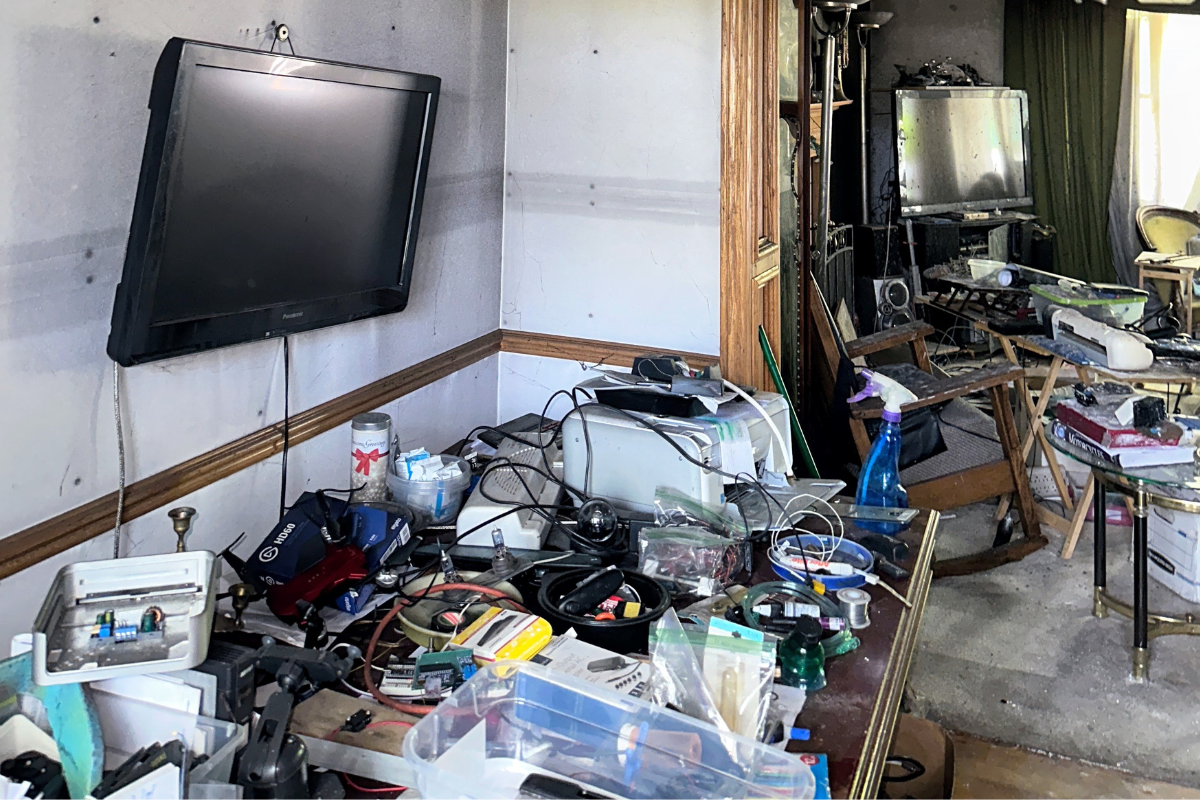
Can Smoke Residue Continue Damaging Electronics?

Acidic soot residue from a fire can settle inside televisions, appliances, computers, electrical panels, and other sensitive electronics throughout the property. Corrosion and internal damage may continue developing over time without proper cleaning and restoration procedures following the fire event.
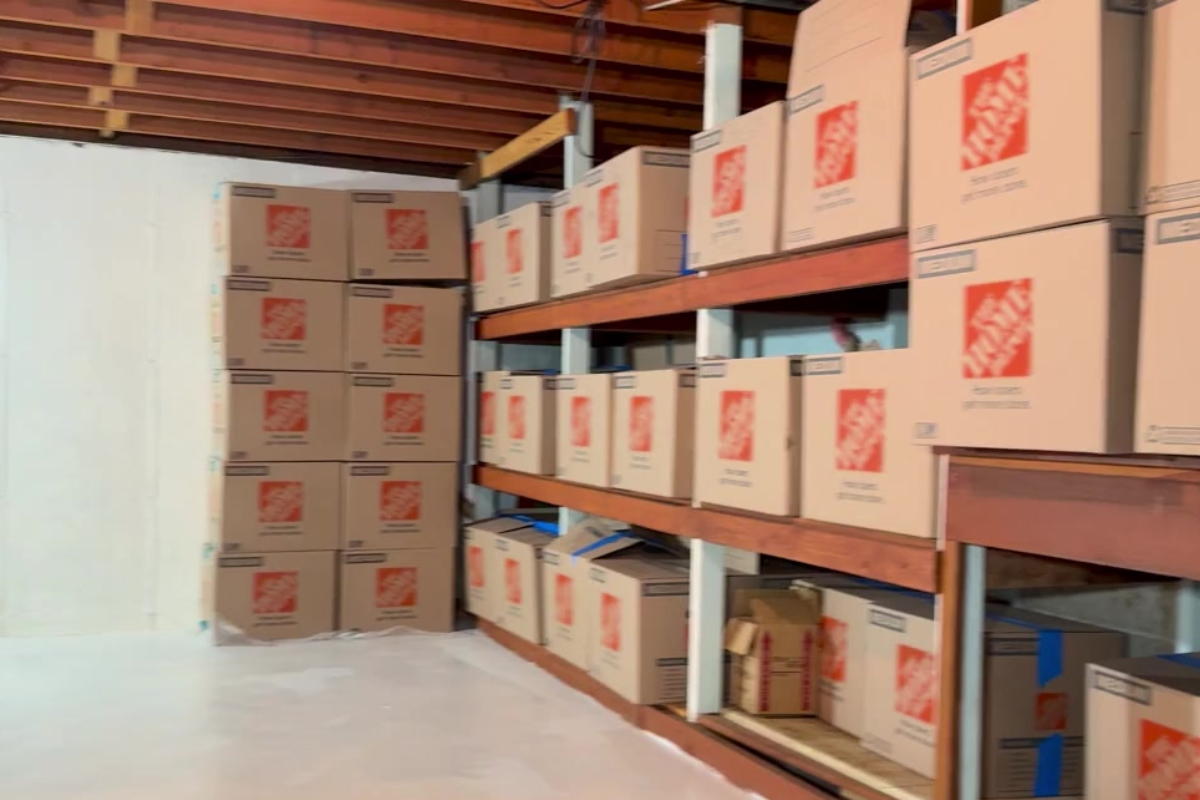
What Is A Fire Damage Pack-Out Service?

Severe fire losses may require furniture, electronics, clothing, documents, and personal belongings to be professionally inventoried, removed, cleaned, and stored off-site during restoration. Pack-out services help protect salvageable contents while allowing structural cleanup and reconstruction work to proceed more efficiently.
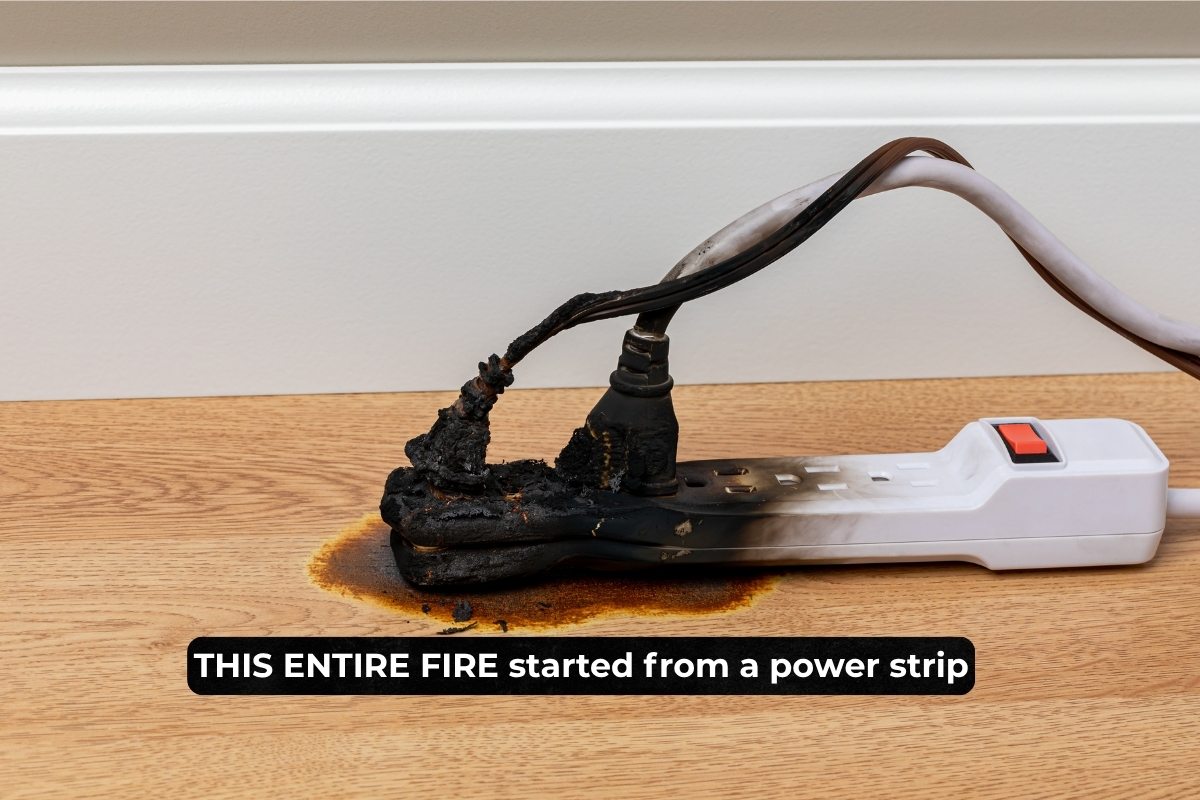
We Remove Fire Damage And Rebuild Your Home

Professional fire restoration involves more than smoke cleanup alone. Severe fire losses may require demolition, structural stabilization, debris removal, odor remediation, emergency drying, reconstruction, and rebuilding damaged areas of the property. Our restoration team helps return the property to a safe condition through coordinated repairs and reconstruction.

Can Smoke Residue Continue Damaging Electronics?

Acidic soot residue from a fire can settle inside televisions, appliances, computers, electrical panels, and other sensitive electronics throughout the property. Corrosion and internal damage may continue developing over time without proper cleaning and restoration procedures following the fire event.

What Is A Fire Damage Pack-Out Service?

Severe fire losses may require furniture, electronics, clothing, documents, and personal belongings to be professionally inventoried, removed, cleaned, and stored off-site during restoration. Pack-out services help protect salvageable contents while allowing structural cleanup and reconstruction work to proceed more efficiently.

Emergency Service Intake Form

We respond fast. Fill this out and our team will contact you immediately.

Which Option Best Describes Your Property Damage?(Required)
Are You The Homeowner?(Required)

Name(Required)
Address

Emergency Service Intake Form

We respond fast. Fill this out and our team will contact you immediately.

Which Option Best Describes Your Property Damage?(Required)
Are You The Homeowner?(Required)

Name(Required)
Address

Why Smoke Damage Often Extends Far Beyond The Original Fire Area

During a fire event, smoke pressure and heat movement can force contamination throughout attic spaces, wall cavities, HVAC systems, insulation assemblies, and adjoining rooms far beyond the visible burn area. Even contained fires may leave widespread smoke residue throughout the structure due to airflow patterns created during combustion and firefighting operations. Professional fire restoration procedures focus on identifying hidden contamination zones before long-term odor and corrosion issues develop.

How Acidic Soot Residue Can Continue Damaging Building Materials

Soot residue produced during a fire may contain acidic combustion byproducts capable of staining, discoloring, and corroding materials throughout the property over time. Metals, electronics, finished wood, painted surfaces, natural stone, countertops, appliances, and HVAC components can continue deteriorating if acidic residues are not professionally neutralized and removed quickly following the fire event.

Why Fire Restoration Often Requires Both Demolition & Precision Cleaning

Not all fire-damaged materials can be restored through surface cleaning alone. Depending on heat exposure, smoke penetration depth, moisture saturation from firefighting efforts, and structural conditions, portions of drywall, insulation, framing, flooring systems, cabinetry, and finish materials may require controlled demolition before reconstruction can safely begin. Professional restoration balances salvageability testing with strategic removal procedures designed to reduce unnecessary demolition whenever possible.

Why Grease Fires Often Create Severe Smoke & Surface Contamination

Grease fires commonly produce dense oily smoke capable of spreading rapidly throughout kitchens, cabinets, ceilings, ventilation systems, and adjoining living spaces. Sticky grease-based soot residues can bond aggressively to walls, appliances, flooring, countertops, and porous materials, making cleanup significantly more difficult than standard smoke damage. Professional fire restoration procedures help remove stubborn contamination, reduce lingering odors, and prevent long-term surface deterioration after grease fire losses.

Why Kitchen Fires Often Create Widespread Smoke Contamination

Kitchen fires frequently produce heavy grease-based smoke residue capable of spreading rapidly throughout nearby rooms, ventilation systems, cabinets, ceilings, and adjoining living spaces. Grease smoke can leave behind stubborn odor conditions and difficult-to-clean residues that bond aggressively to surfaces throughout the property. Immediate containment and professional cleaning procedures help reduce long-term contamination and secondary damage after kitchen fire events.

What Happens During The Emergency Board-Up Process After A Fire?

Emergency board-up and property stabilization services help secure fire-damaged structures from weather exposure, vandalism, theft, animal intrusion, and additional structural deterioration immediately after a fire loss. Damaged windows, compromised entry points, roof openings, and unstable exterior areas are temporarily secured to help protect the property while restoration planning, inspections, and insurance documentation procedures move forward.

Why Odor Removal After A Fire Requires More Than Air Fresheners

Smoke odors are caused by microscopic combustion particles that penetrate porous materials such as insulation, drywall, wood framing, carpeting, upholstery, and HVAC systems throughout the structure. Surface cleaning alone often fails to fully remove deeply embedded odor contamination. Professional deodorization procedures may involve HEPA filtration, thermal fogging, hydroxyl treatment, air scrubbing, and specialized cleaning methods designed to neutralize smoke particles at the source.

How Fire Damage Restoration Companies Determine What Can Be Salvaged

Professional fire restoration involves evaluating structural materials, contents, electronics, textiles, and finish components to determine whether cleaning, restoration, or replacement is the safest and most cost-effective option. Factors such as heat exposure, smoke penetration depth, moisture saturation, corrosion risk, contamination levels, and material condition all influence salvageability decisions throughout the restoration process.

What Professional Fire Damage Restoration Looks Like Inside A Smoke-Damaged Property

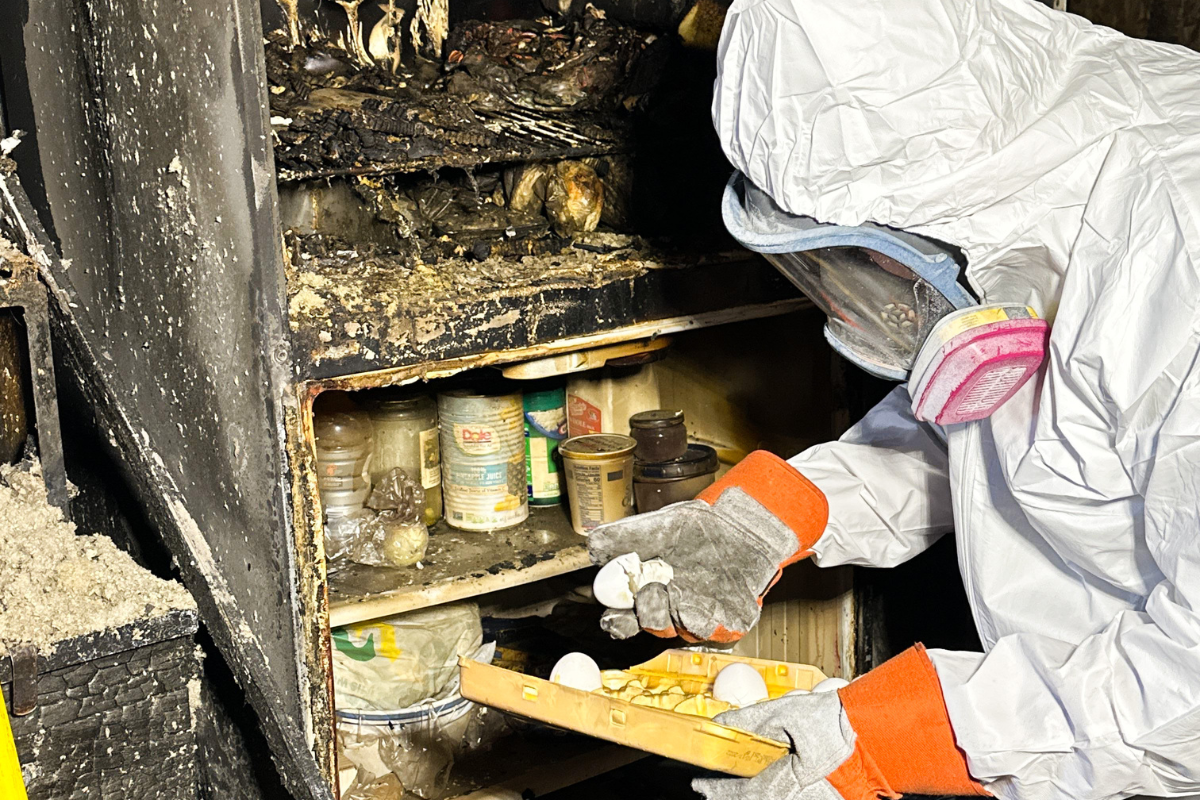
Fire damage restoration involves far more than removing burned materials after a structure fire. Smoke residue, acidic soot contamination, airborne combustion particles, water from firefighting efforts, and hidden structural damage can continue affecting the property long after the flames are extinguished. Professional fire restoration procedures may include emergency board-up services, structural stabilization, HEPA air filtration, thermal fogging, hydroxyl deodorization, soot removal, content cleaning, demolition of unsalvageable materials, moisture mapping, and detailed contamination control procedures. This footage demonstrates the type of real-world conditions restoration professionals encounter during fire damage mitigation and structural recovery operations.

Professional Fire, Smoke, Soot & Structural Restoration Procedures Performed In Real Residential Loss Environments

Frequently Asked Questions About Professional Fire Damage Restoration

Need Emergency Fire Cleanup?

Fire damage can continue affecting structural materials, indoor air quality, and salvageable contents after the flames are extinguished. Our emergency response team provides smoke removal, soot cleanup, odor remediation, structural stabilization, and professional fire restoration services throughout Rockford.

24/7 Water Damage Help In Rockford

Our emergency response team provides fast water extraction, structural drying, moisture detection, and professional mitigation services to help protect your property from further damage.

IICRC Certified Restoration Professionals Team

Our certified restoration team follows industry-standard mitigation procedures designed to protect properties from hidden moisture conditions, structural deterioration, and costly secondary damage.

Trusted Throughout Rockford Surrounding Communities

Homeowners throughout Rockford and surrounding communities continue trusting Power Restoration for professional communication, dependable service, rapid mitigation response, and consistent results locally.
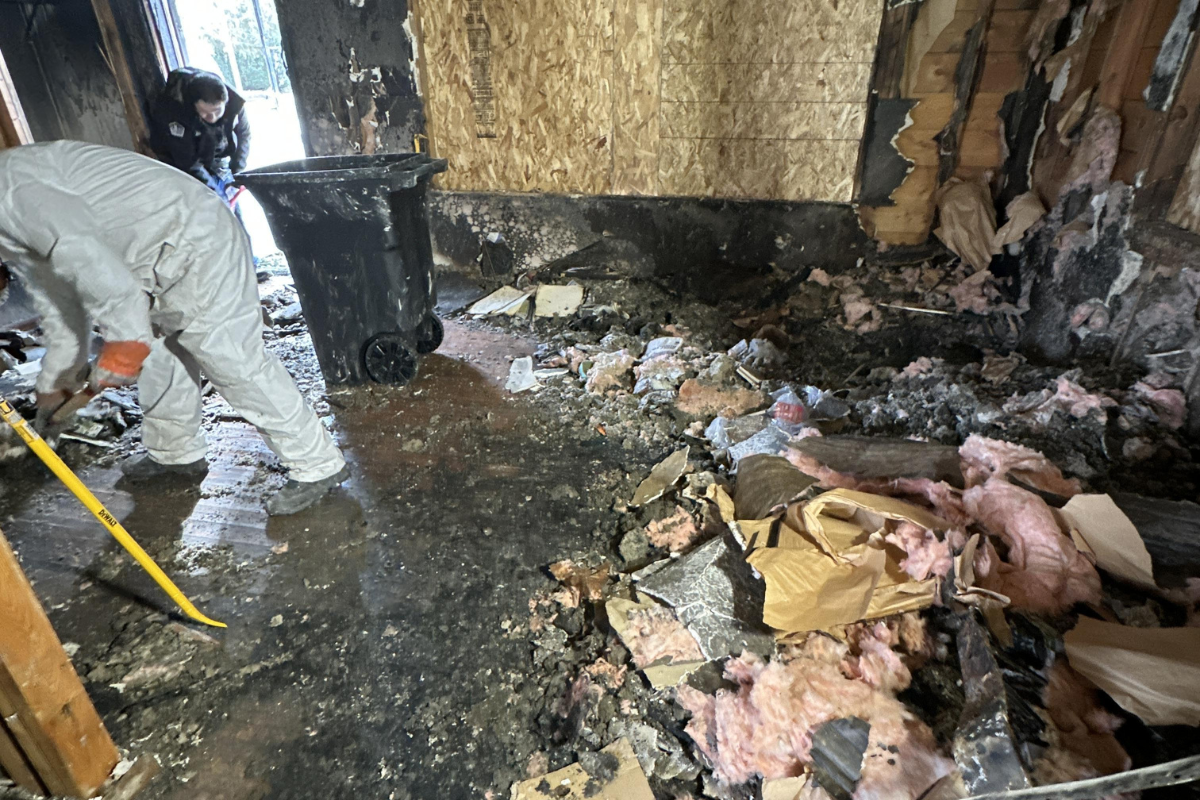
Professional Response During Unexpected Emergencies

Our emergency response team acts quickly during unexpected property damage situations to help minimize structural deterioration, moisture intrusion, and secondary damage risks.

IICRC Certified Restoration Professionals Team

Our certified restoration team follows industry-standard mitigation procedures designed to protect properties from hidden moisture conditions, structural deterioration, and costly secondary damage.
Trusted Throughout Rockford Surrounding Communities

Homeowners throughout Rockford and surrounding communities continue trusting Power Restoration for professional communication, dependable service, rapid mitigation response, and consistent results locally.

Professional Response During Unexpected Emergencies

Our emergency response team acts quickly during unexpected property damage situations to help minimize structural deterioration, moisture intrusion, and secondary damage risks.

How Smoke Damage Spreads

During a fire, smoke pressure and heat movement can spread contamination through attic spaces, wall cavities, HVAC systems, insulation, and adjoining rooms far beyond the visible burn area. Professional fire restoration procedures help identify hidden smoke contamination before long-term odor and corrosion issues develop.

How Acidic Soot Residue Can Continue Damaging Building Materials

Soot residue produced during a fire may contain acidic combustion byproducts capable of staining, discoloring, and corroding materials throughout the property. Metals, electronics, wood surfaces, appliances, and HVAC components can continue deteriorating if acidic residues are not professionally neutralized and removed quickly after the fire event.

Why Fire Restoration Often Requires Both Demolition & Precision Cleaning

Not all fire-damaged materials can be restored through surface cleaning alone. Heat exposure, smoke penetration, moisture saturation, and structural conditions may require controlled demolition before reconstruction can safely begin. Professional restoration procedures help reduce unnecessary demolition whenever possible.

Why Grease Fires Often Create Severe Smoke & Surface Contamination

Grease fires commonly produce dense oily smoke that spreads rapidly throughout kitchens, cabinets, ceilings, ventilation systems, and adjoining living spaces. Grease-based soot residues can bond aggressively to surfaces, making cleanup more difficult than standard smoke damage. Professional restoration procedures help remove contamination, reduce lingering odors, and prevent long-term surface deterioration.

Why Kitchen Fires Often Create Widespread Smoke Contamination

Kitchen fires frequently produce heavy grease-based smoke residue capable of spreading rapidly throughout nearby rooms, ventilation systems, cabinets, ceilings, and adjoining living spaces. Grease smoke can leave behind stubborn odor conditions and difficult-to-clean residues that bond aggressively to surfaces throughout the property. Immediate containment and professional cleaning procedures help reduce long-term contamination and secondary damage after kitchen fire events.

What Happens During The Emergency Board-Up Process After A Fire?

Emergency board-up and property stabilization services help secure fire-damaged structures from weather exposure, vandalism, theft, animal intrusion, and additional structural deterioration immediately after a fire loss. Damaged windows, compromised entry points, roof openings, and unstable exterior areas are temporarily secured to help protect the property while restoration planning, inspections, and insurance documentation procedures move forward.

Why Odor Removal After A Fire Requires More Than Air Fresheners

Smoke odors are caused by microscopic combustion particles that penetrate insulation, drywall, wood framing, carpeting, upholstery, and HVAC systems throughout the structure. Surface cleaning alone often fails to remove deeply embedded odor contamination. Professional deodorization may involve HEPA filtration, thermal fogging, hydroxyl treatment, and specialized cleaning procedures.

How Fire Restoration Companies Determine What Can Be Salvaged

Professional fire restoration involves evaluating structural materials, contents, electronics, textiles, and finish components to determine whether cleaning, restoration, or replacement is the safest option. Heat exposure, smoke penetration, moisture saturation, corrosion risk, contamination levels, and material condition all influence salvageability decisions throughout the restoration process.

Inside A Fire Damage Restoration Project

Fire damage restoration involves more than removing burned materials after a fire. Smoke residue, soot contamination, firefighting water, and hidden structural damage can continue affecting the property after the flames are extinguished. This footage shows real-world fire damage mitigation, smoke cleanup, and structural recovery operations..

This video showcases an actual fire damage restoration project performed by Power Restoration, including real-world smoke cleanup, soot removal, structural mitigation, and fire recovery procedures completed inside a fire-damaged property.

Fire Damage Restoration FAQs

24/7 Fire Damage Restoration in Rockford, Illinois

Smoke cleanup, soot removal, odor elimination, structural cleaning, and emergency fire damage restoration services throughout Rockford and surrounding areas.