Fire & Smoke Damage Restoration
Emergency fire damage mitigation, smoke and soot removal, odor control, and structural drying in Rockford, IL.
The Fire May Be Contained. The Damage May Not Be.
Smoke, soot, and odor can travel far beyond the area where a fire originated - affecting walls, ceilings, insulation, contents, and concealed areas throughout the property.
Power Restoration identifies affected areas, removes fire-damaged materials, cleans smoke and soot contamination, controls persistent odors, and prepares the structure for recovery.
Complete Fire & Smoke Restoration
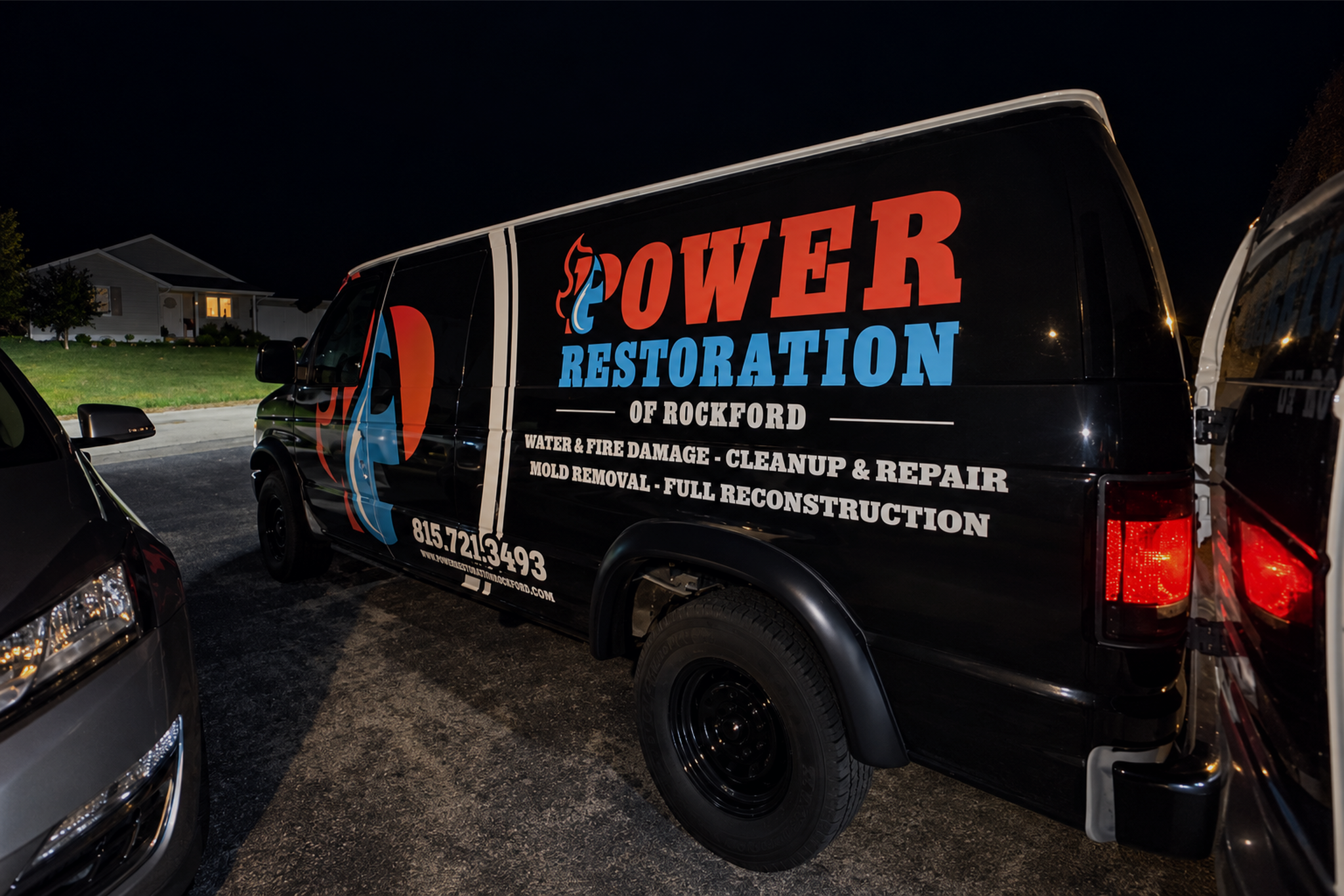
24/7 Emergency Response
When the fire is out, mitigation begins. Our team responds to assess the damage, identify affected areas, and begin the steps necessary to protect the property from additional damage.
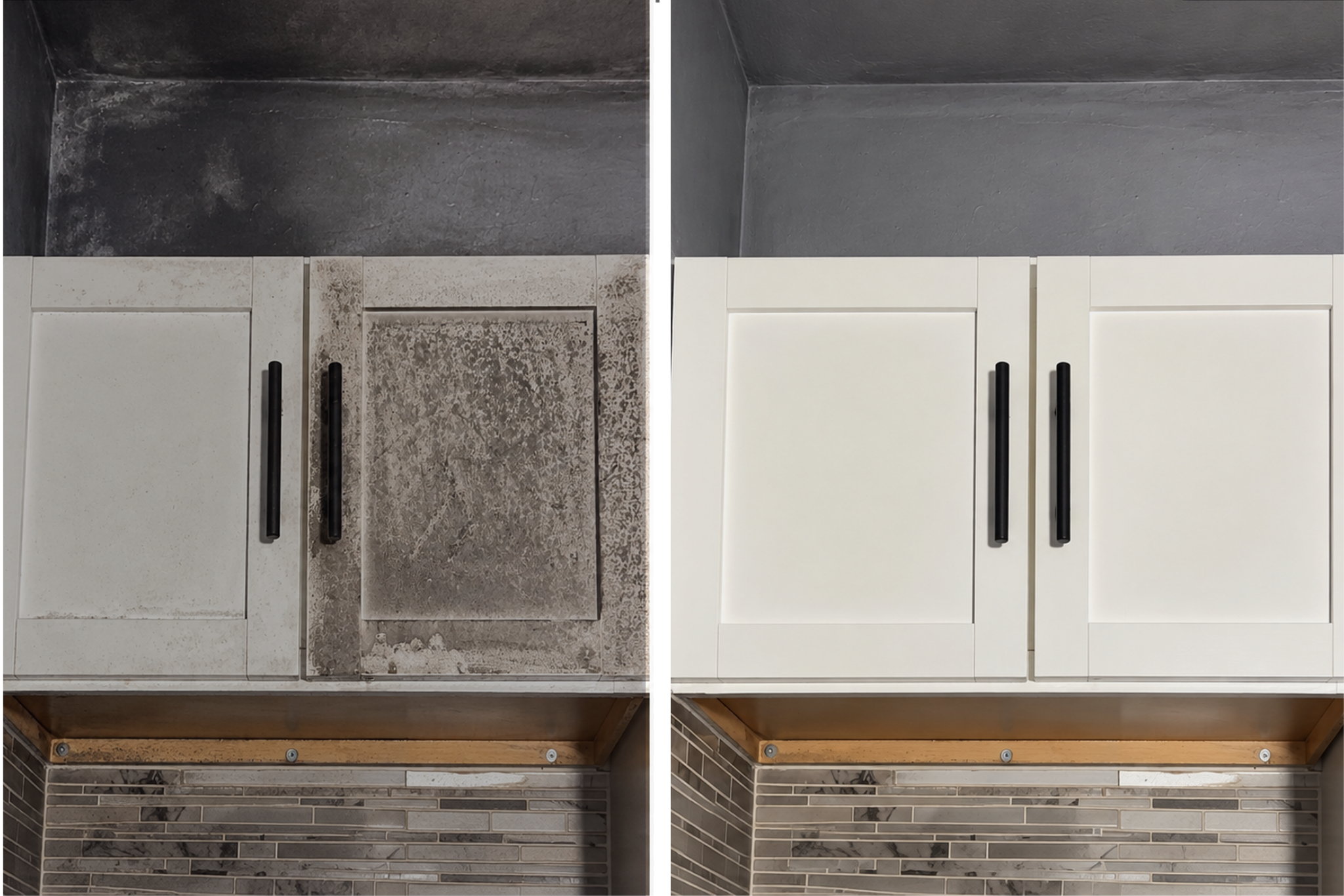
Smoke & Soot Removal
Smoke and soot can contaminate surfaces far beyond the immediate fire area. We professionally clean affected materials and surfaces to remove fire-related residues throughout the property.
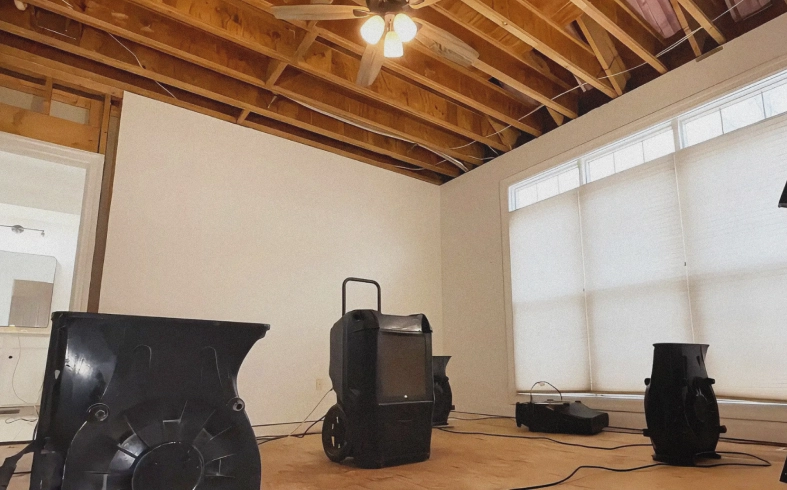
Structural Drying
Fire suppression can leave significant water and moisture behind. We use professional drying equipment and moisture monitoring to dry affected structural materials and control secondary water damage.
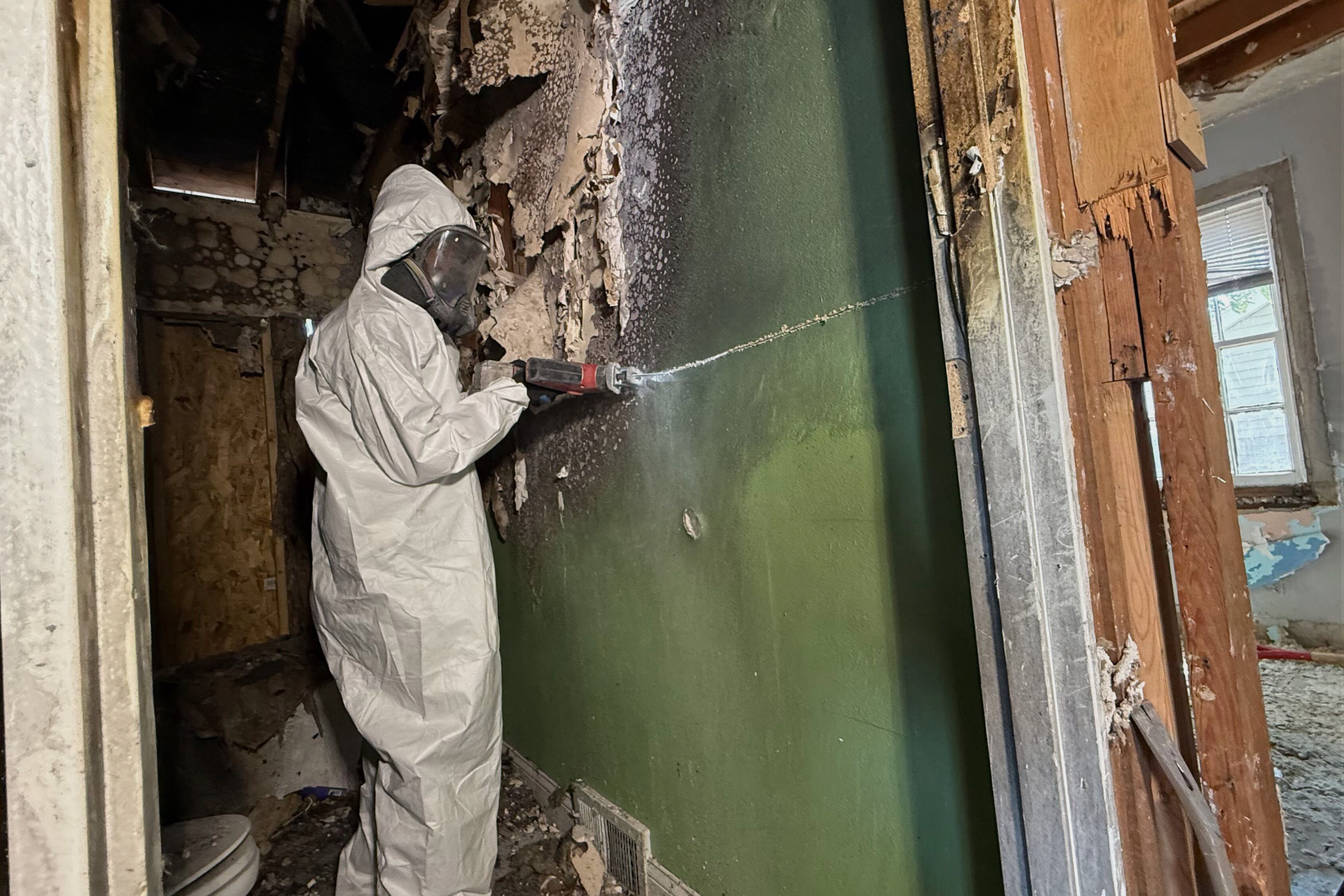
Fire Damage Demolition
Materials that cannot be effectively restored are removed through controlled demolition, providing access to concealed damage and preparing affected areas for the next phase of recovery.
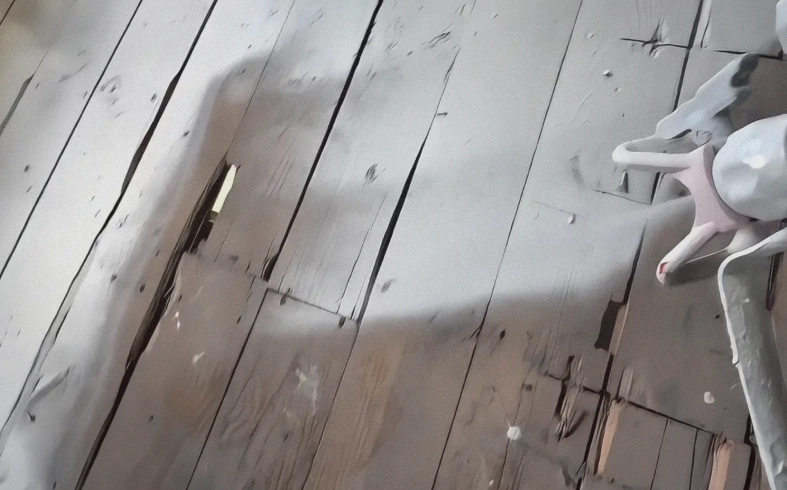
Smoke Odor Control
Smoke odor can penetrate porous building materials and remain long after visible soot is removed. We use professional deodorization methods to target persistent fire and smoke odors throughout affected areas.
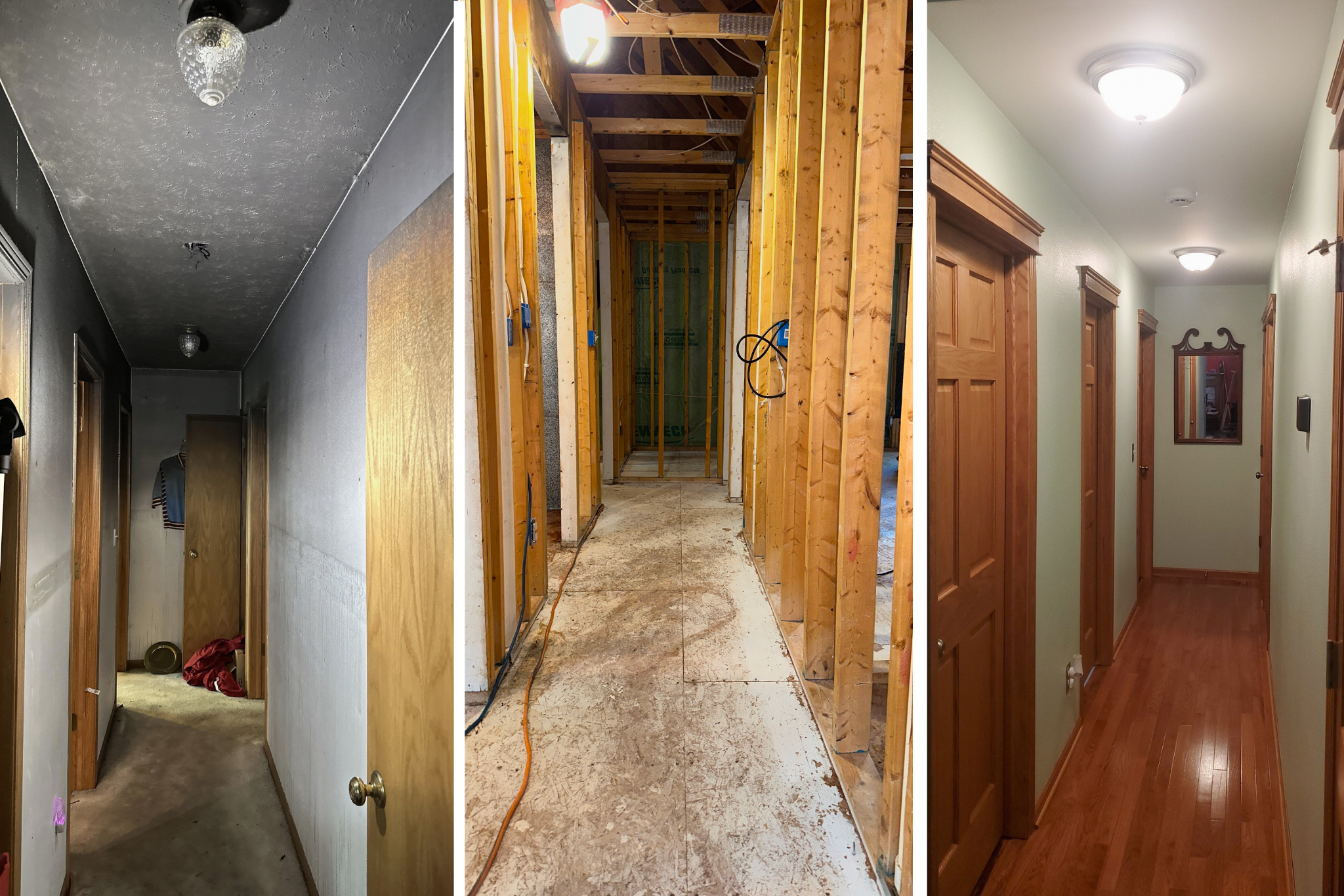
A Clear Path to Recovery
After mitigation is complete, we can connect you with qualified contractors for the rebuilding phase - helping make the transition from damage cleanup to property recovery easier.
Frequently Asked Questions
Smoke doesn't stay where the fire started. Soot and smoke residues can travel through openings, wall cavities, insulation, and ventilation pathways - affecting areas that may appear untouched.
Prompt professional cleaning helps prevent residues and odors from remaining throughout the property and allows the full extent of the damage to be addressed.
No. You choose the contractor. Your insurer can recommend a company from its preferred vendor program, and there are real reasons those programs exist, but a recommendation is not a requirement. Illinois insurers are not permitted to require you to use a specific restoration contractor as a condition of paying your claim.
What matters is that the company you hire documents the loss properly, writes the scope in Xactimate so the adjuster can review it line by line, and communicates directly with the desk adjuster on your behalf. That is where claims get resolved or stall. If you have already accepted a referral and want a second opinion, you can still make a change. Nothing is locked in until work begins.
Because smoke does not stay where the fire was. Heat drives smoke particles under pressure into every cooler part of the structure, so they travel through wall cavities, up stairwells, along plumbing chases, and through your HVAC returns into rooms that never saw flame. Those particles are acidic, microscopic, and they bond to surfaces as they cool.
That is why a kitchen fire can leave soot film on bedroom ceilings two floors up and why the smell returns every time the furnace kicks on. Cleaning only the fire room leaves the source of the odor in place. A proper scope follows the smoke, not the flame, and that scope has to be documented with readings, photos, and affected-surface measurements so your adjuster can see why each room is included.
Do this: get written approval from the fire department before re-entering, even if the structure looks fine. Call your insurance carrier and open a claim, and write down the claim number and the adjuster's name. Photograph and video everything before anyone touches it, including rooms that look untouched. Turn off the HVAC system so the blower stops pulling soot into clean areas. Take medications, documents, and anything irreplaceable if it's safe to retrieve.
Do not do this: do not throw anything away, not even items that look obviously destroyed. Your adjuster needs to see and inventory them before disposal, and tossing them early can cost you money on your contents claim. Do not wipe, scrub, or vacuum soot with household cleaners or a standard vacuum, because soot is abrasive and pressing it into paint, carpet, or upholstery turns a cleanable surface into a replaceable one. Do not run the furnace or air conditioning. Do not eat food or use cosmetics that were exposed to smoke. And do not sign anything from any company until you have read it.
Those first hours decide how much of your home is salvageable and how much of your claim gets paid.