
Water Damage Restoration in Rockford, IL
24/7 emergency water removal, structural drying and flood cleanup for Rockford, Loves Park, Machesney Park and all of Winnebago County. IICRC Certified Firm. Call (815) 721-3493.
Real footage from a Rockford, IL flash flood: cars stalled at Charles St & 20th St, water streaming down a basement wall into the electrical panel, three feet of standing water twelve hours later — then 50,000+ gallons extracted, every surface disinfected and fogged, and industrial drying set by our own crew.
Rockford Water Damage Restoration Done Right — From the First Hour
Water damage in Rockford rarely looks like the movies. It is a supply line that lets go behind the washer while you are at work, a water heater that fails on a Sunday night, a sump pump that quits during the spring thaw, or a sewer backup in a 1950s basement off Alpine Road. By the time you see it, water has already moved under the flooring and up into the drywall.
Power Restoration of Rockford is an IICRC Certified Firm that handles every category of water loss — clean water (Category 1), gray water from appliances (Category 2) and sewage or flood water (Category 3) — to the IICRC S500 standard. Our own crews do the work; nothing is subcontracted. We extract, remove what cannot be saved, dry the structure with commercial equipment, and verify dry standard with daily moisture readings before we leave.
Every job is photographed and logged from the first hour so your insurance claim is built on documentation, not memory. See how we document water losses for your insurance claim — photos, drying logs and a Xactimate estimate your adjuster can read line by line.
Our Water Damage Restoration Process in Rockford
Five steps, the same on every water loss we handle in the Rockford area — each one documented for you and your insurance carrier.
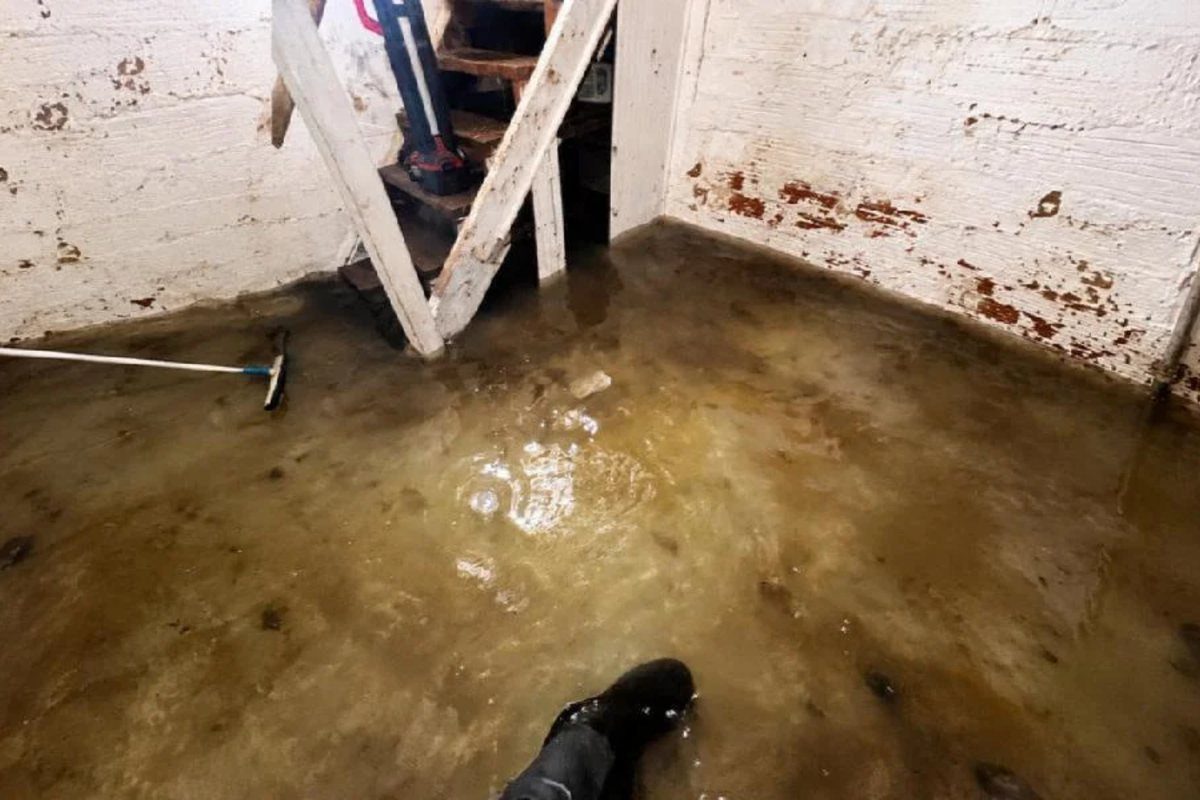
1. Emergency Water Extraction
Truck-mounted and submersible pumps pull standing water out of basements, kitchens and crawlspaces the same day you call. Every hour water stands, it climbs higher into drywall, insulation and framing — fast extraction is what keeps a one-room loss from becoming a whole-floor loss.
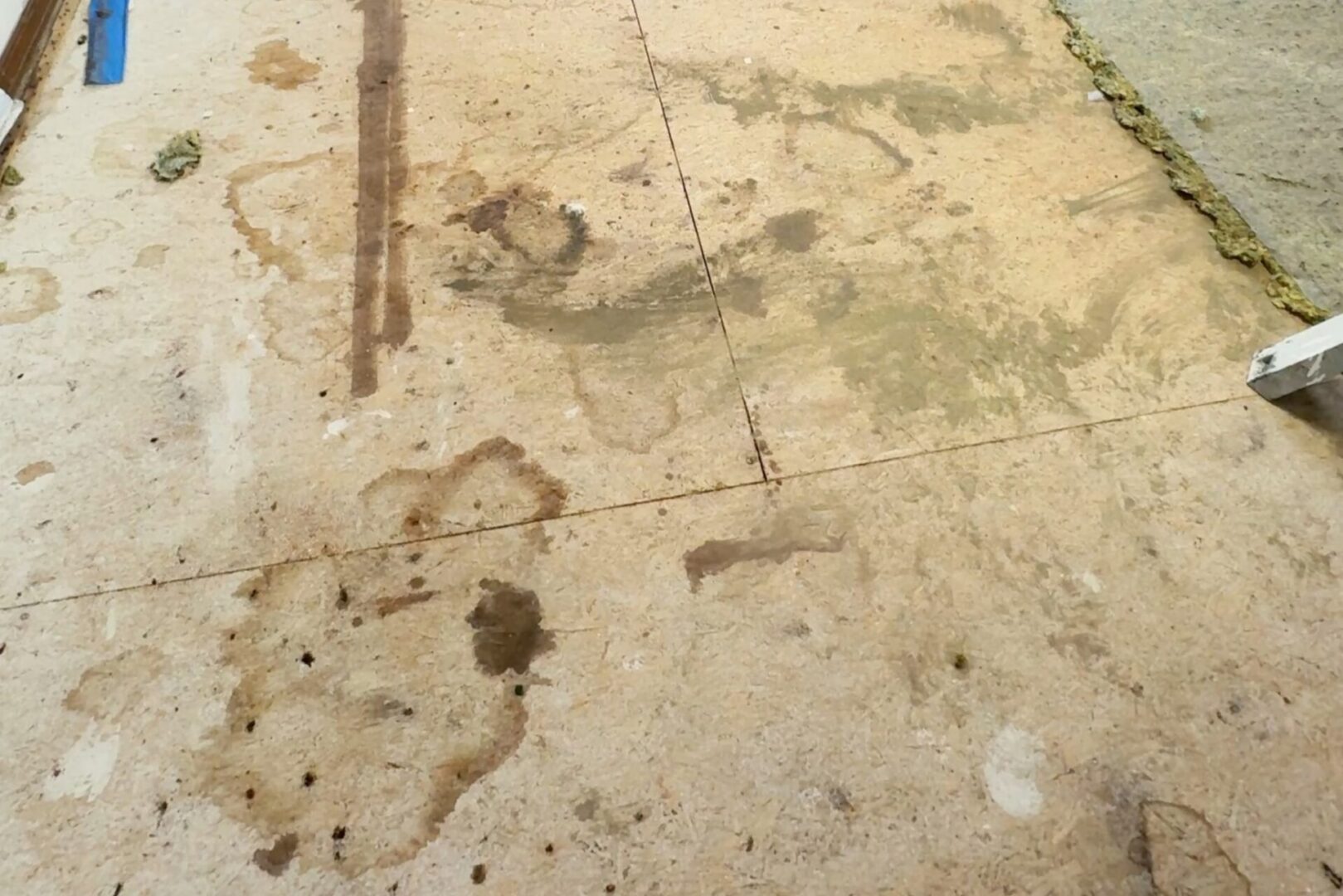
2. Flood Cleanup & Controlled Demolition
Saturated drywall, insulation, carpet pad and flooring that cannot be dried come out cleanly — flood cuts, not whole walls. Everything removed is bagged, logged and photographed, so your claim shows exactly what was lost and why.
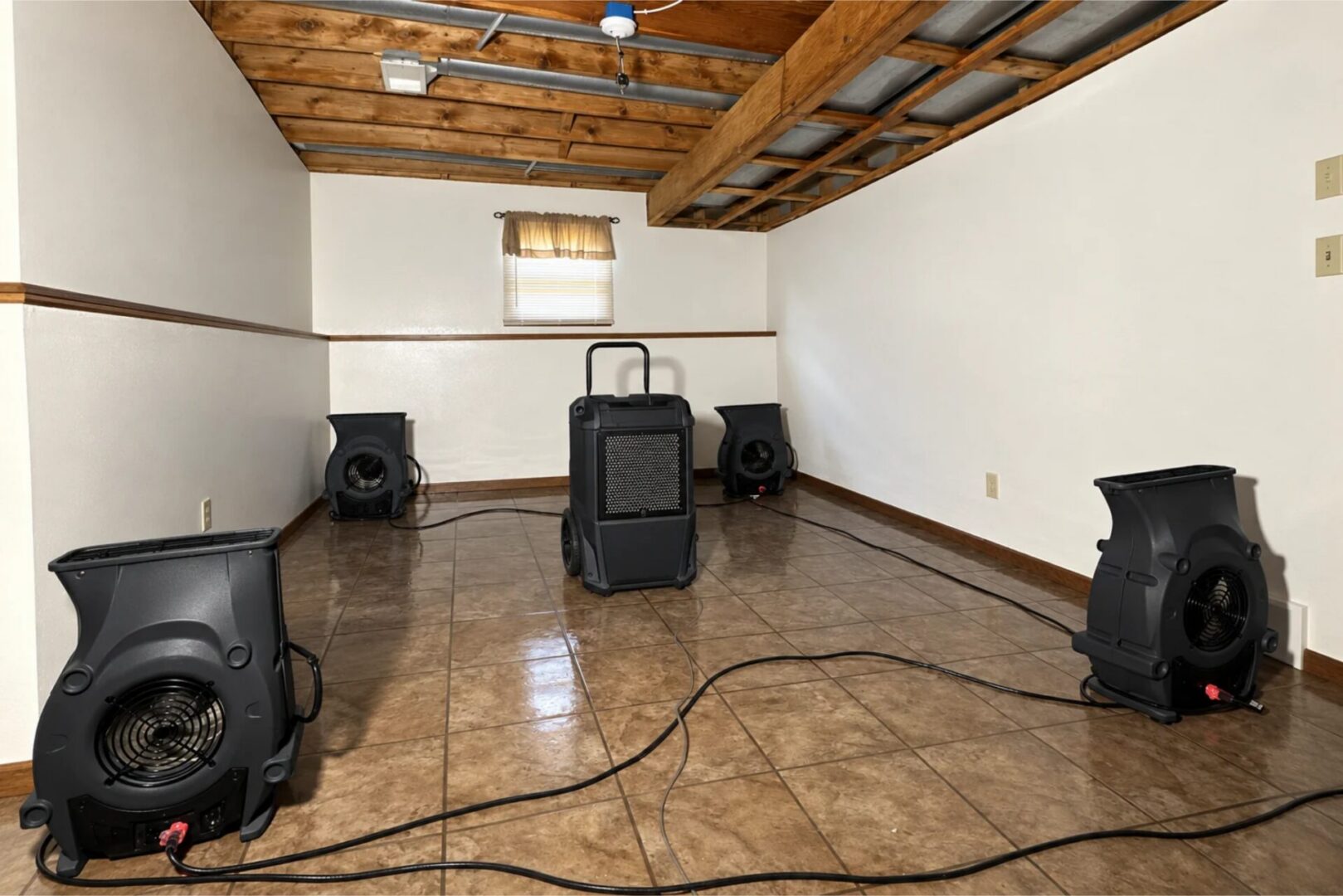
3. Structural Drying to IICRC Standard
Commercial air movers and LGR dehumidifiers dry the structure to the IICRC S500 dry standard. We record moisture readings every day the equipment runs, so your adjuster sees how many drying days were needed and the numbers that justify them.
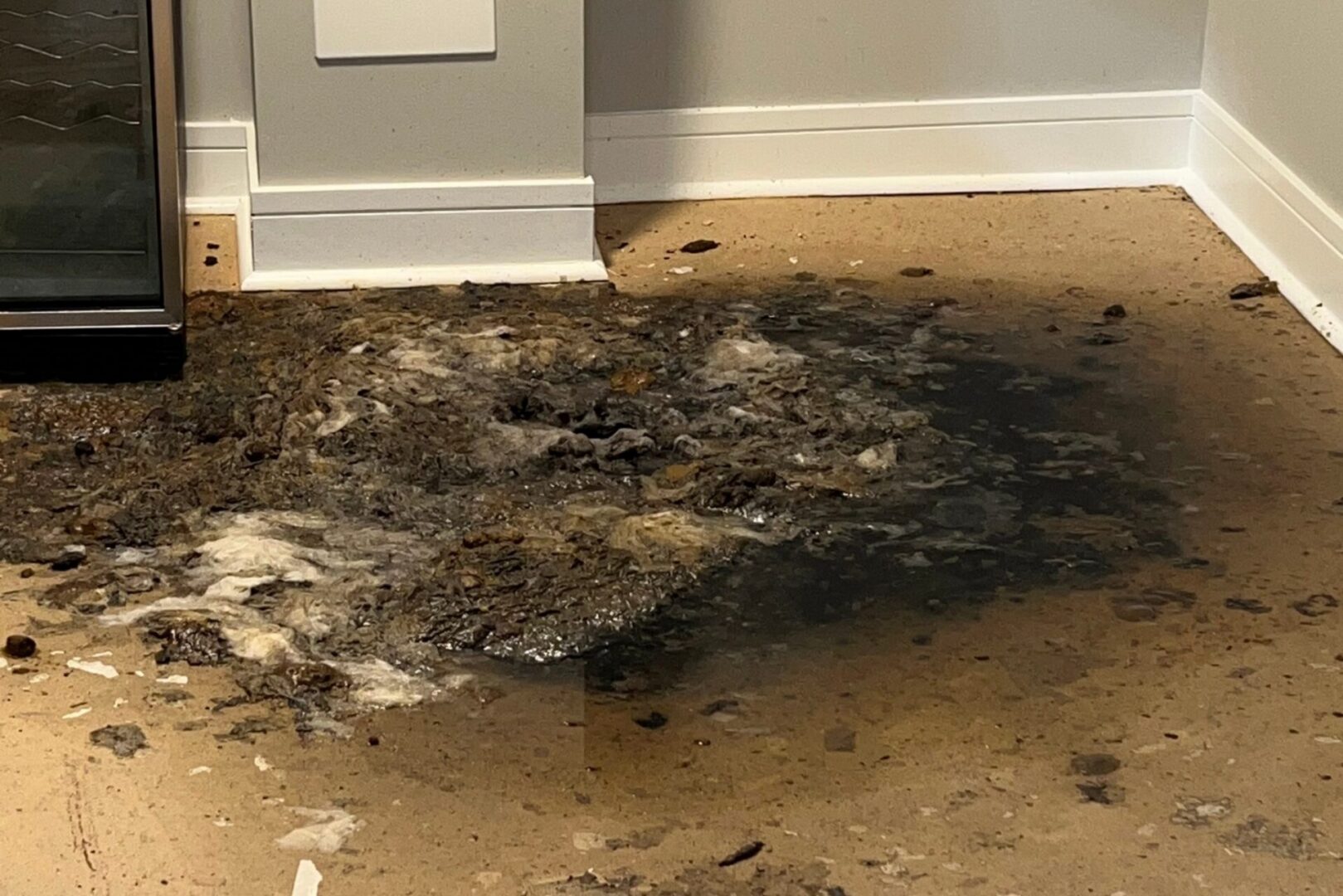
4. Sewage & Category 3 Water Cleanup
Sewage backups require careful handling. We address affected materials and clean impacted areas using appropriate mitigation procedures.
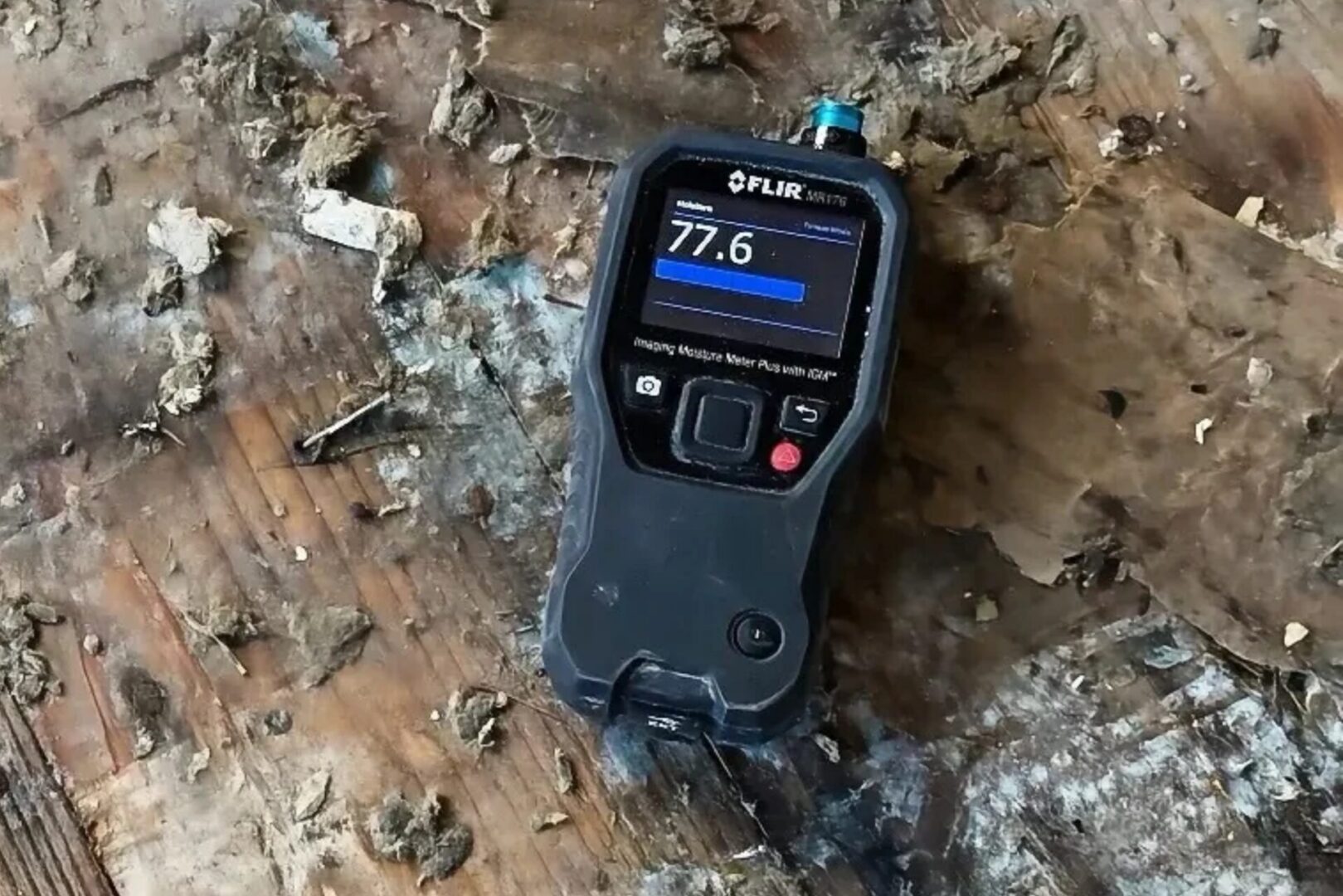
5. Moisture Mapping & Dry-Standard Verification
Pin and non-invasive moisture meters plus thermal imaging find the water you cannot see — behind baseboards, under floating floors, inside wall cavities — and map it before a single wall is opened. The job is not done until the readings say it is.
Recent Water Damage Jobs in Rockford, IL
Real Rockford losses, documented from the first phone call. Every job below was scanned, photographed and moisture-mapped before work began, dried to IICRC dry standard with daily readings, and logged for the homeowner's insurance claim.
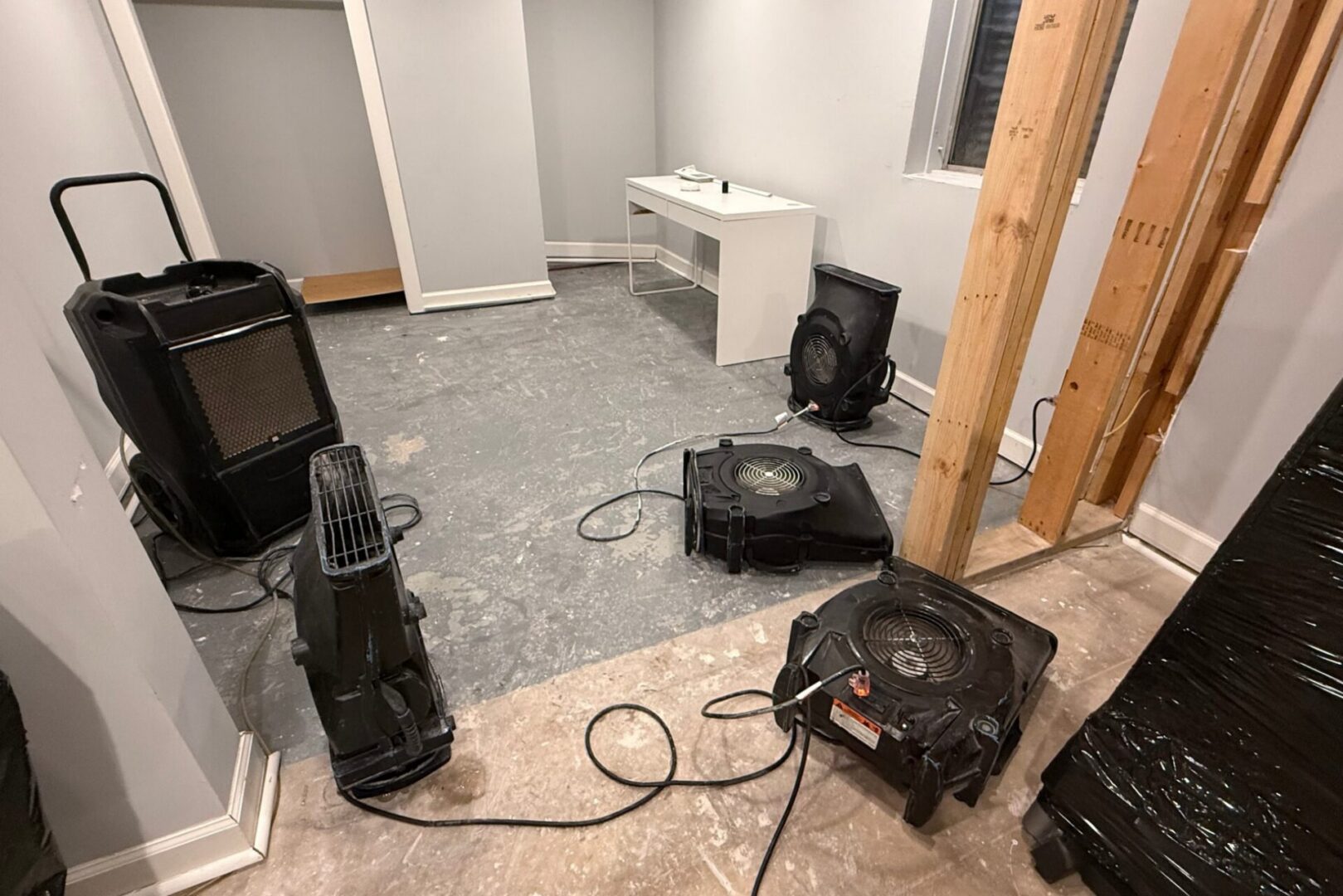
Water Through the Basement Ceiling — On Site in 29 Minutes
The homeowner called at 4:09 p.m. with water pouring from the basement ceiling and no idea where the shutoff was. We arrived at 4:38, shut off the water, scanned and moisture-mapped the basement, then went to work: extracted the standing water, removed the water-damaged LVP flooring and the affected ceiling drywall and insulation, treated the exposed subfloor and ceiling with an EPA-registered plant-based antimicrobial, and set industrial drying equipment. Daily moisture checks for three days — on day three every affected material was within dry standard.
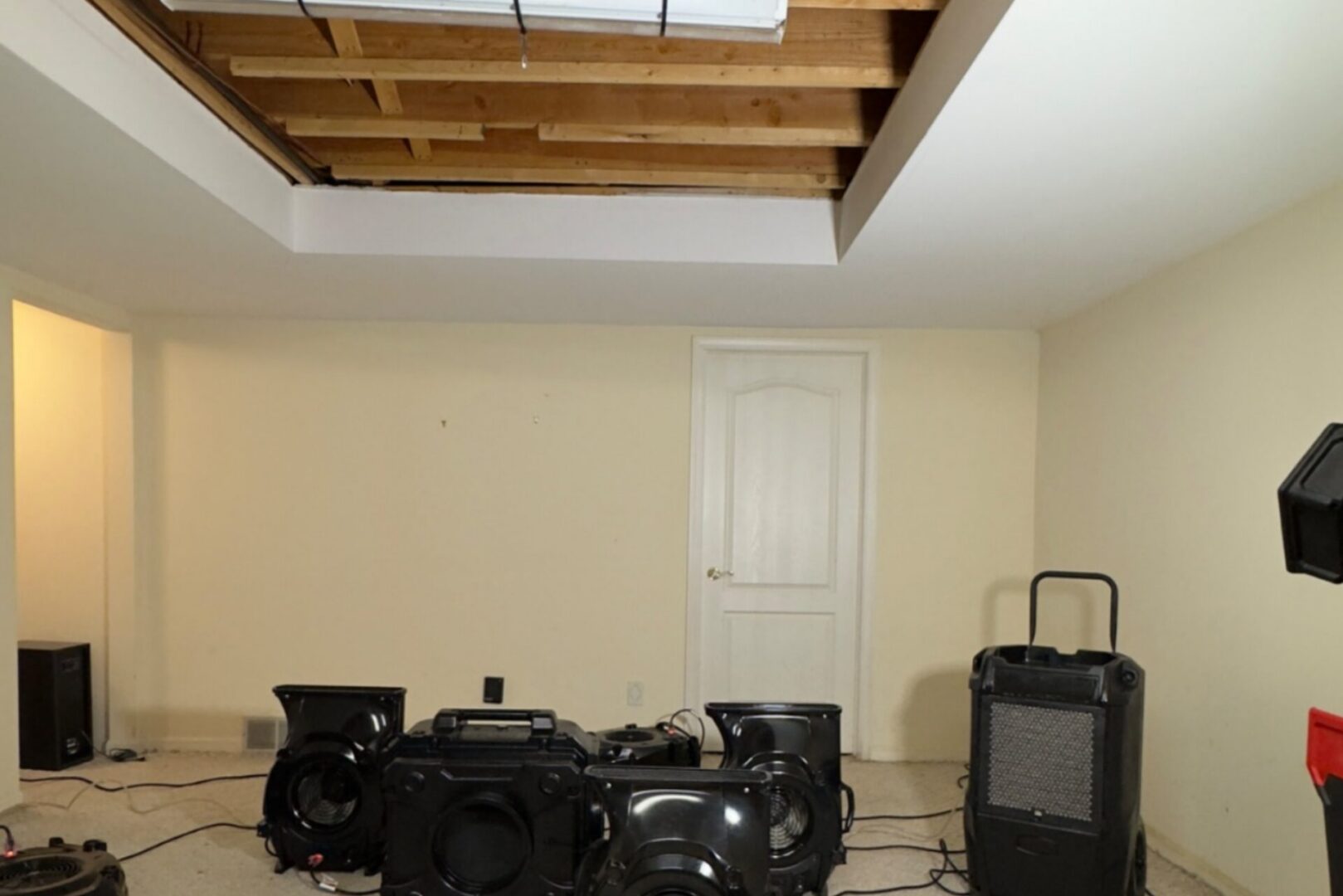
Dishwasher Line Flooded the Basement Below — Dry in Three Days
A 12:40 p.m. call: the dishwasher supply line had let go and water was all through the basement. We were there at 1:50, scanned the loss and shot the photos and video that support the claim, protected the contents, set a containment zone, removed the damaged ceiling drywall and insulation, hauled the debris out, and treated the exposed floor joists with an EPA-registered plant-based antimicrobial. Drying equipment went in the same day; we returned for three days to check moisture levels and equipment — dry standard reached on day three.
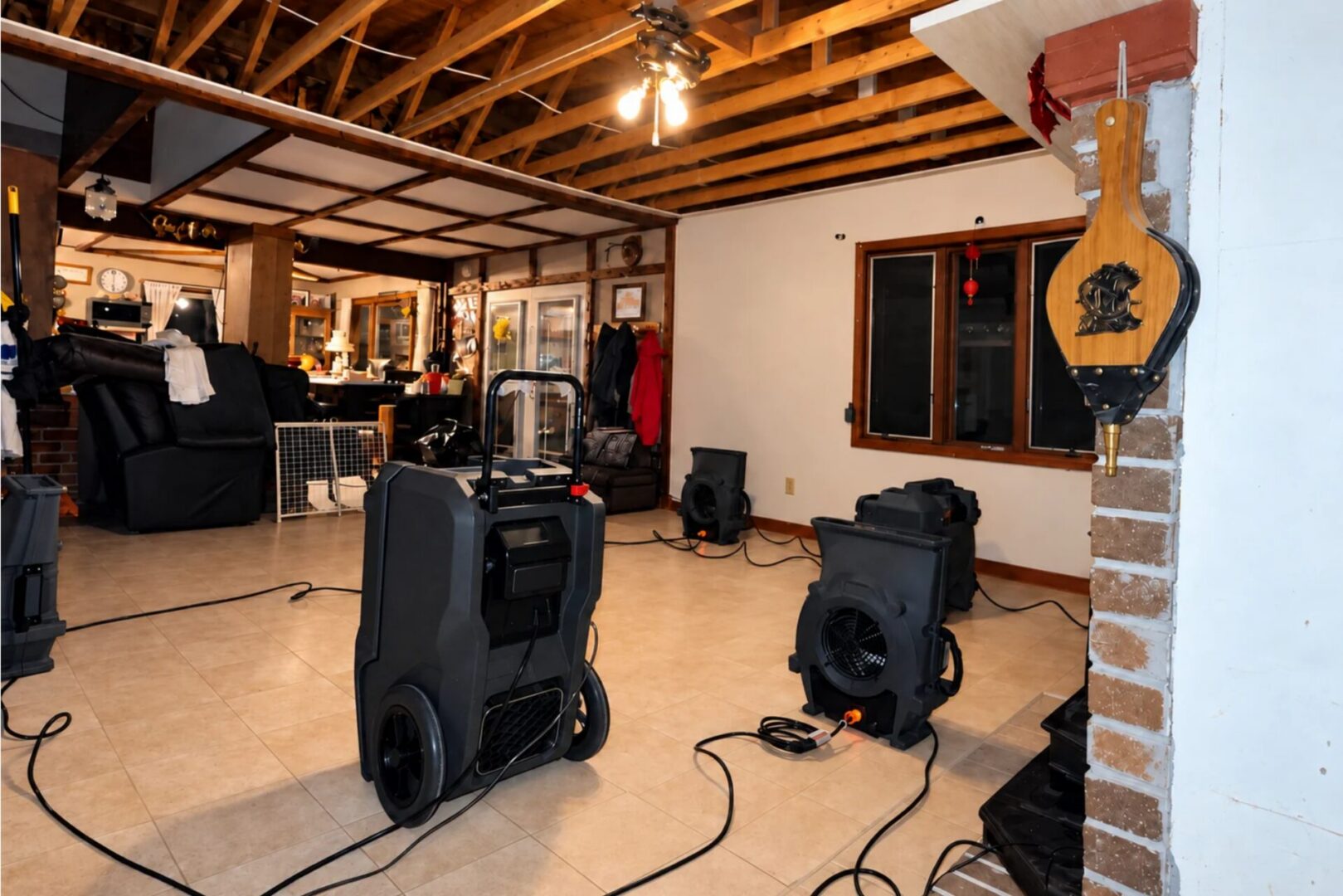
Rainstorm Roof Leak Took Out a Living Room Ceiling and Floor
After a heavy rainstorm the roof let water into the living room. We set containment and a HEPA air scrubber to keep dust out of the rest of the home, removed the ceiling drywall, insulation and water-damaged flooring, treated every affected surface with an EPA-registered plant-based antimicrobial, and set industrial drying equipment. Four days of daily moisture checks — dry standard reached on day four, documented for the carrier.
Water Damage Restoration Service Areas
Based in Rockford and on call 24/7 across Winnebago, Boone and Ogle counties:
Water Damage Questions Rockford Homeowners Ask Us
Straight answers on response time, drying, water categories, insurance coverage and what to do in the first hour.
We answer the phone 24 hours a day and dispatch from Rockford, so most emergency calls in Rockford, Loves Park and Machesney Park see a crew the same day — usually within hours, not the next morning. Call (815) 721-3493 and tell us what is leaking and where; we will tell you what to shut off while we are on the way.
Shut off the water at the fixture or the main if it is still running, and turn off power to the affected area at the breaker if water is near outlets. Move what you can lift to a dry room, pull up area rugs, and take photos of everything before you touch it. Then call us — the sooner extraction starts, the less drywall and flooring you lose.
Yes. Water migrates under floating floors, behind baseboards and into wall cavities and insulation, where it can sit for weeks while the surface feels dry. Mold can begin in 24–48 hours in those pockets. Moisture mapping with pin meters and thermal imaging is how we find it, and daily readings are how we prove it is gone.
Most residential water losses dry in three to five days once extraction and demolition are complete, with air movers and dehumidifiers running around the clock. Concrete slabs, hardwood and dense framing take longer than drywall. We do not pull equipment on a schedule — we pull it when the moisture readings reach dry standard, and the daily log shows your adjuster exactly when that happened.
Category 1 is clean water from a supply line, water heater or ice-maker line. Category 2 is gray water — a washing machine or dishwasher discharge, a sump failure with no sewage. Category 3 is grossly contaminated water: sewer backups, toilet overflows past the trap, and outside flood water. The category decides what can be dried in place and what has to be removed; Category 3 means porous materials come out and the area is treated as a contamination zone.
Only if your policy includes a Water Backup / Sump Pump endorsement — a separate add-on that many Rockford homeowners do not realize they are missing until the basement floods. Burst pipes, appliance line breaks and water heater failures are usually covered as sudden and accidental; groundwater seeping through foundation walls usually is not. We document the cause and the damage; your adjuster makes the coverage decision. Read what water damage is usually covered in Illinois.
Yes. Every water loss we handle is photographed from the first hour, moisture-mapped, and logged daily, and the estimate is written in Xactimate — the same software your carrier uses — with a note behind every line. We meet the adjuster on site when they inspect. You stay in control of your claim; we make sure it is documented so the carrier can approve it.
For a Category 1 or 2 loss confined to a basement or one room, most families stay home — the equipment is loud but safe, and we keep the work area contained. For a Category 3 loss, a whole-floor loss, or anything affecting the kitchen and bathrooms, we will tell you honestly if the home is not livable; that is also what triggers Loss of Use coverage on most policies.
Both. Our own crews handle mitigation and the rebuild — drywall, insulation, flooring, trim, paint and cabinets — so the same company that documented the loss puts your home back together. One contractor, one claim file, no gap where a second company re-scopes the job.
We are based in Rockford and serve all of Winnebago, Boone and Ogle counties, including Loves Park, Machesney Park, Rockton, Poplar Grove, Rochelle, Belvidere, Freeport and Pecatonica, plus Janesville and Beloit, Wisconsin.