The First 48 Hours After a House Fire
Taking the right steps after a fire can help protect your property and support the restoration process.
1. Confirm the property is safe.
Do not re-enter until the fire department or appropriate authority confirms it is safe.
2. Contact your insurer.
Report the loss and ask how to document the damage.
3. Avoid disturbing soot.
Soot can spread and stain additional surfaces.
4. Do not attempt extensive cleaning.
Household products and improper techniques can make residue harder to remove.
5. Address firefighting water.
Wet building materials may need prompt assessment and drying.
6. Secure damaged areas.
Temporary protection can help keep out weather and unauthorised visitors.
7. Arrange a professional assessment.
Restoration specialists can identify smoke, soot, odor, water, and structural damage.
Types of Smoke Damage
Smoke residue varies depending on the materials burned, fire temperature, and how smoke travelled through the property. Identifying the residue helps determine the appropriate cleaning method.
Dry Smoke
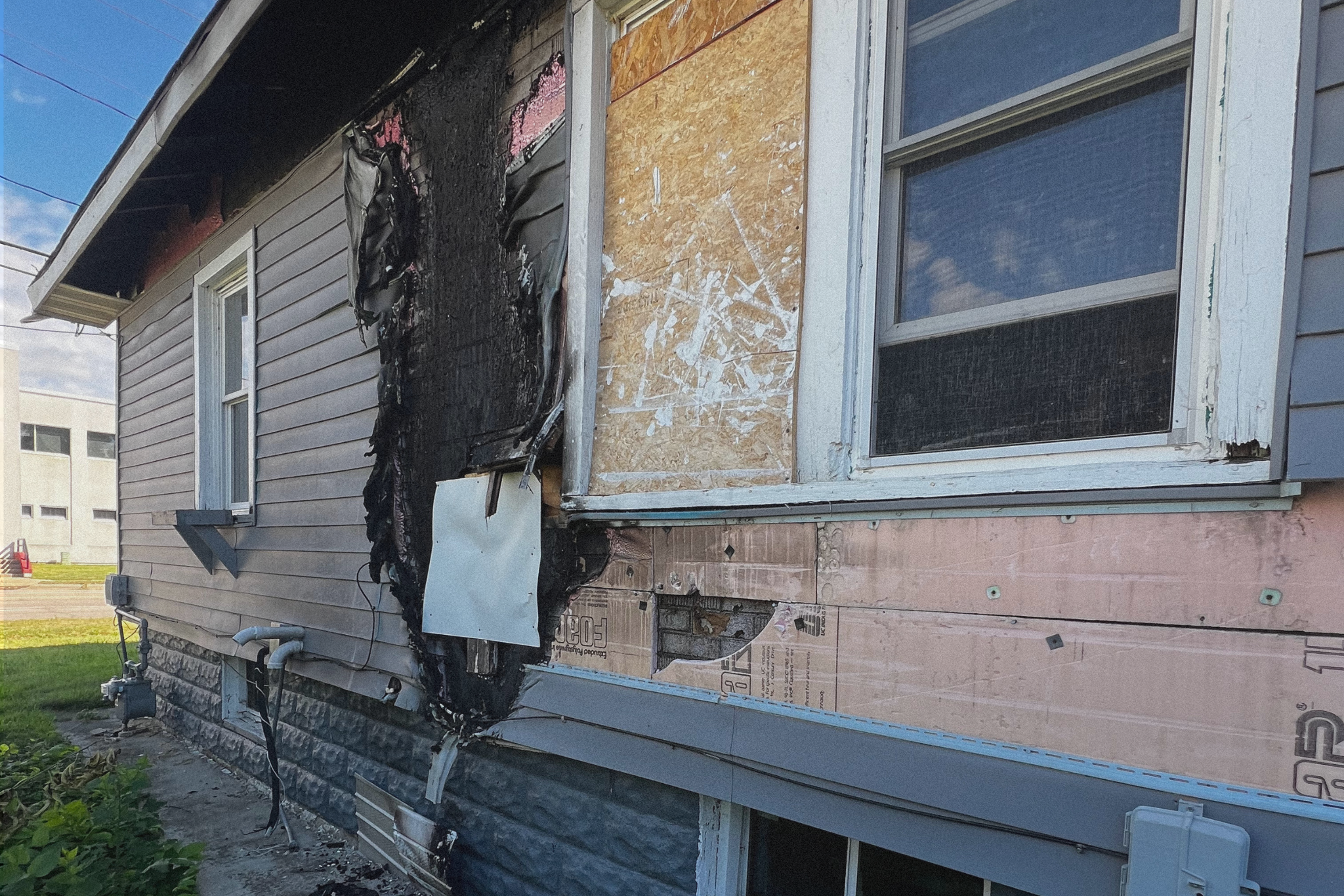
Often associated with high-temperature fires involving materials such as wood and paper, dry smoke can leave fine particles on surfaces and belongings.
Wet Smoke
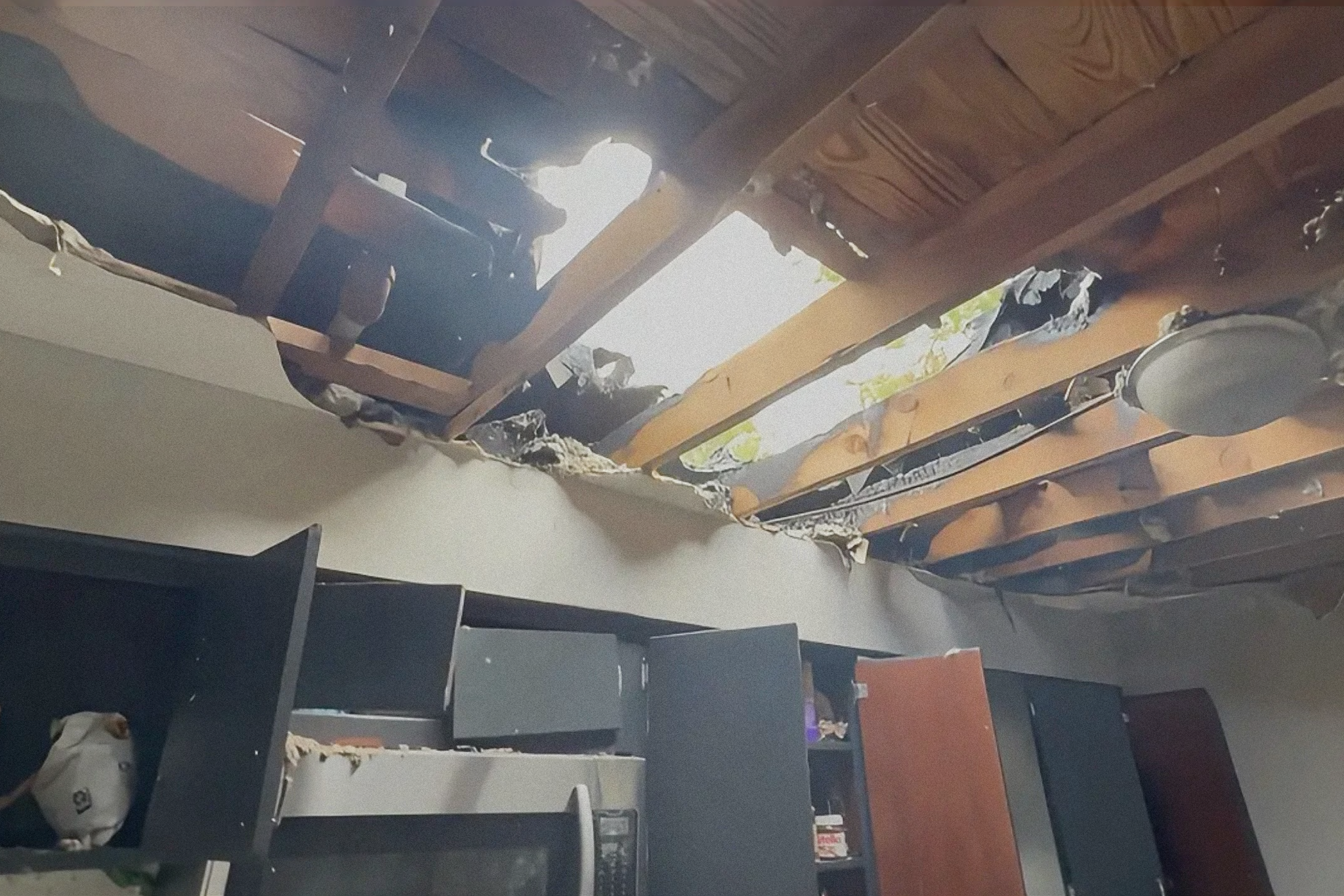
Lower-temperature fires involving plastics, rubber, and similar materials can produce sticky residue and persistent odors that require specialised cleaning.
Protein Smoke
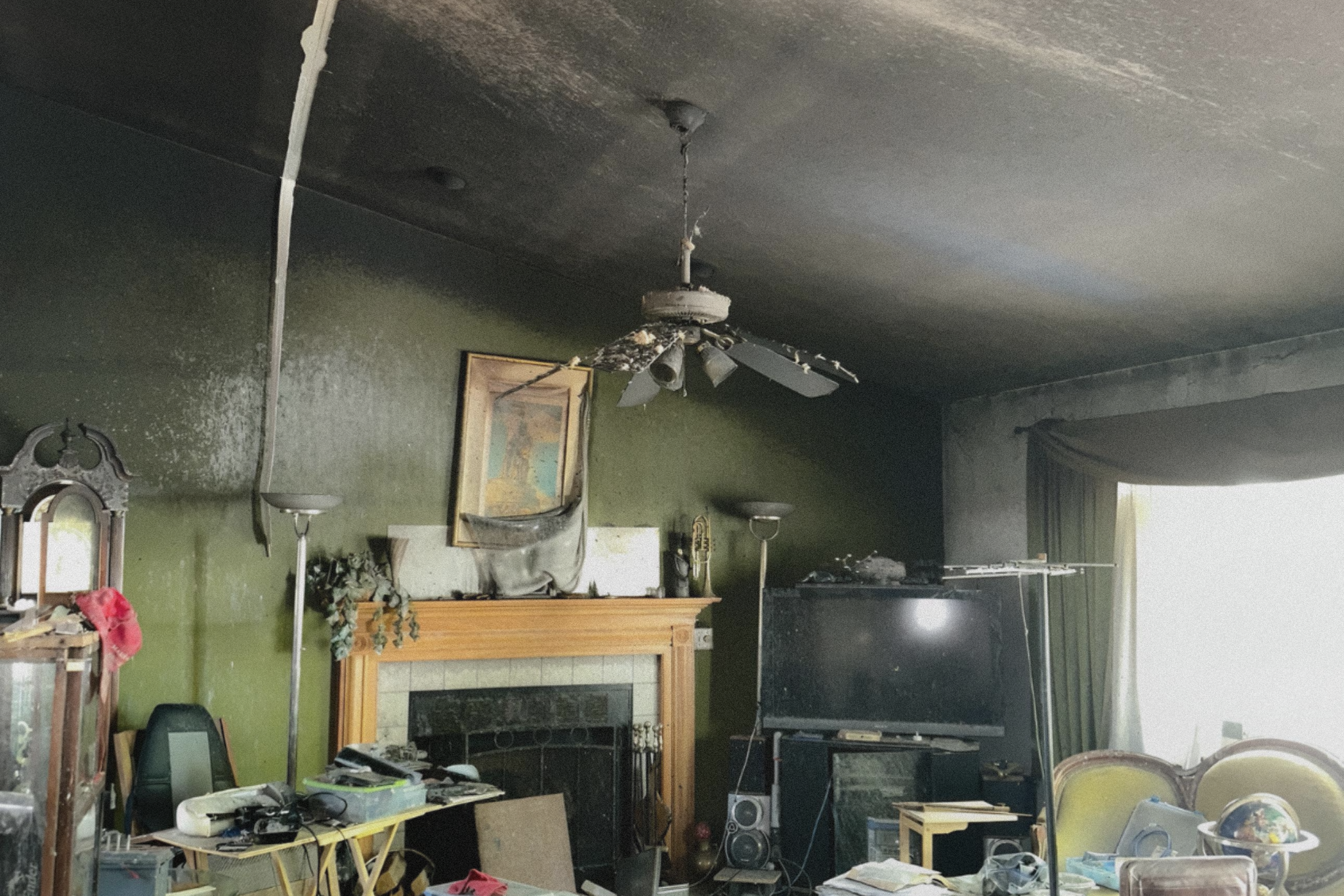
Fires involving food and organic materials can leave strong odors and surface discoloration, sometimes with little visible soot.
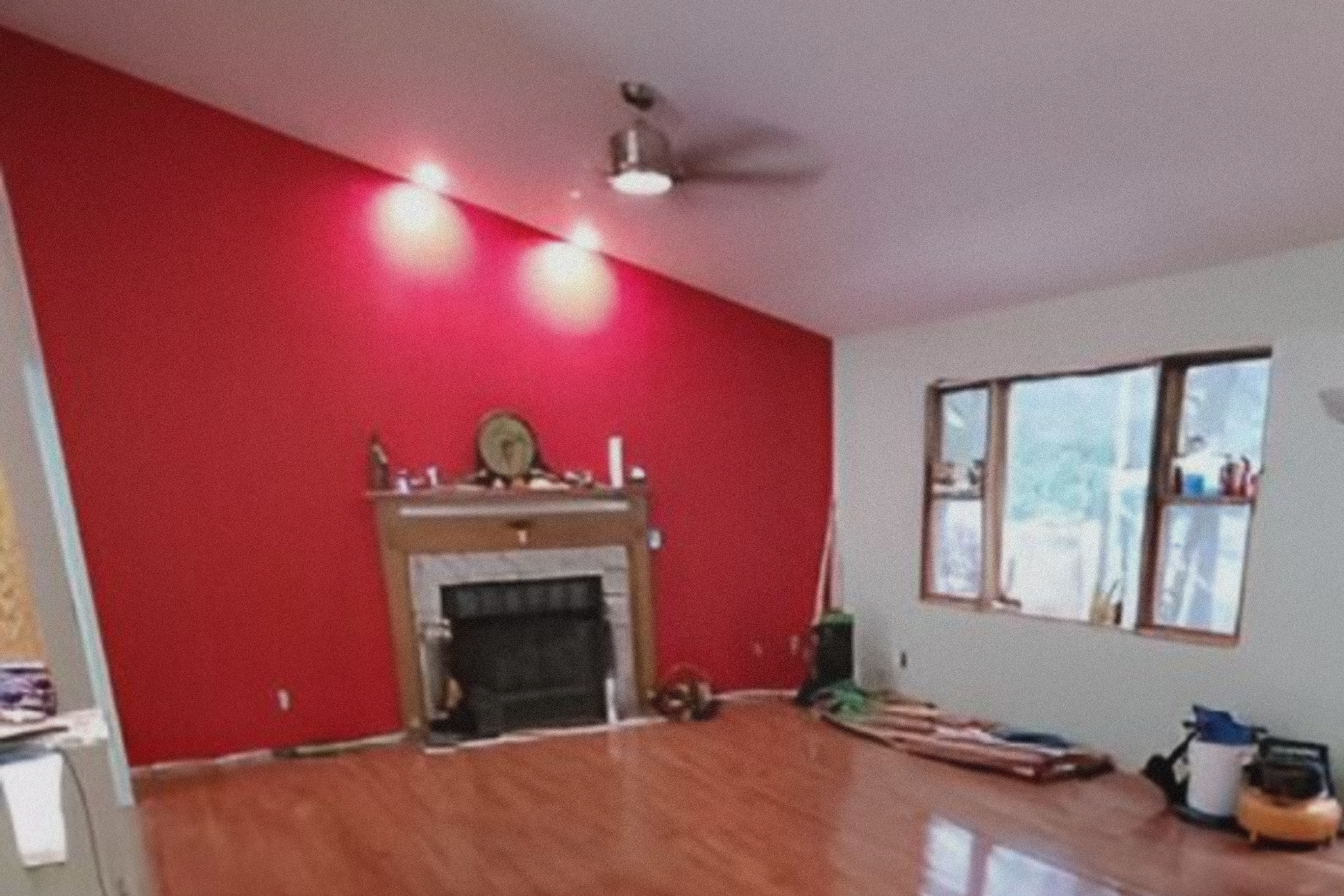
Fuel Oil Smoke
Fires involving heating oil or other petroleum-based products may leave oily residue and persistent odors that require specialised remediation.
Smoke and Soot Cleanup
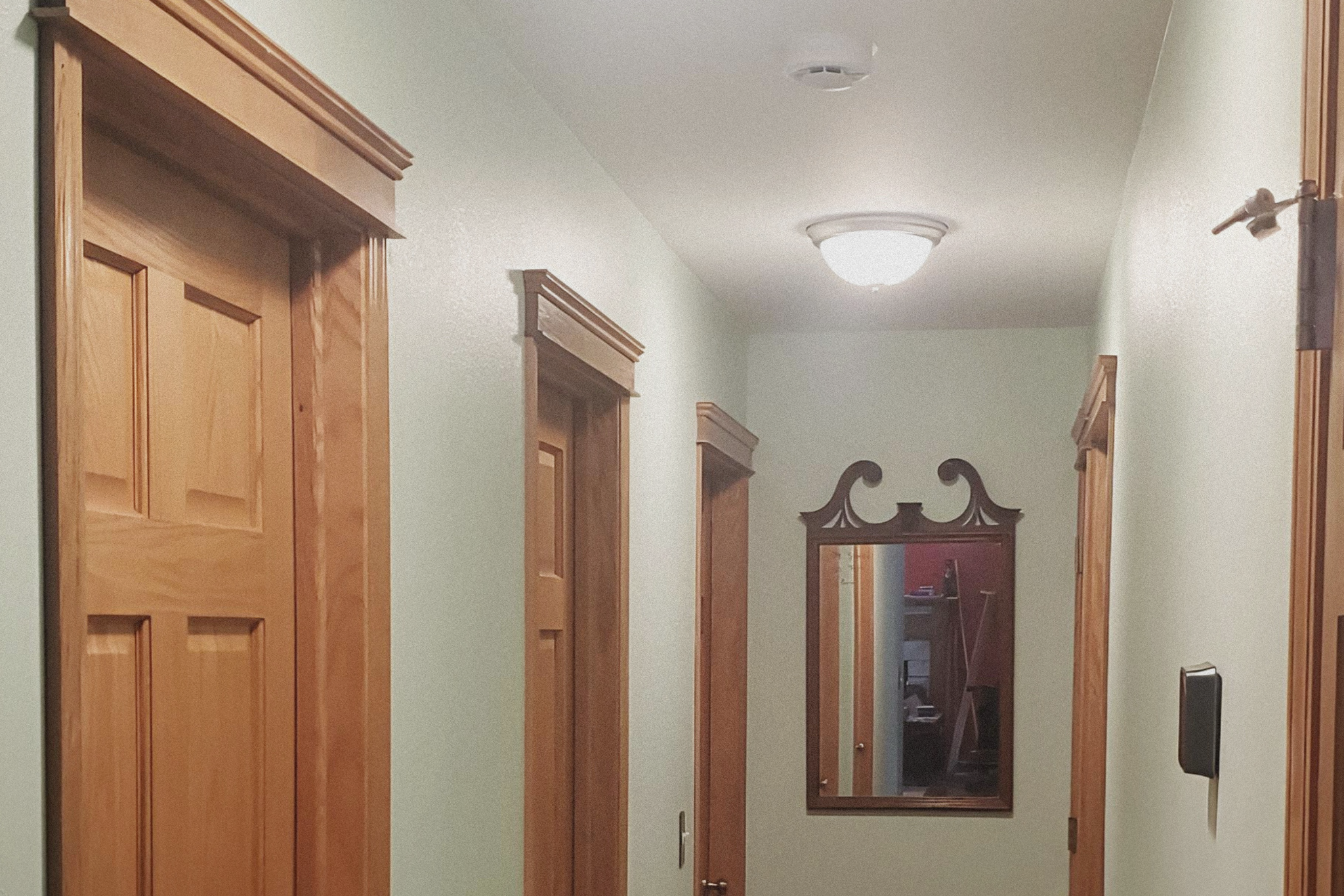
Smoke and soot can affect walls, ceilings, floors, furniture, fixtures, and personal belongings far beyond the room where the fire started.
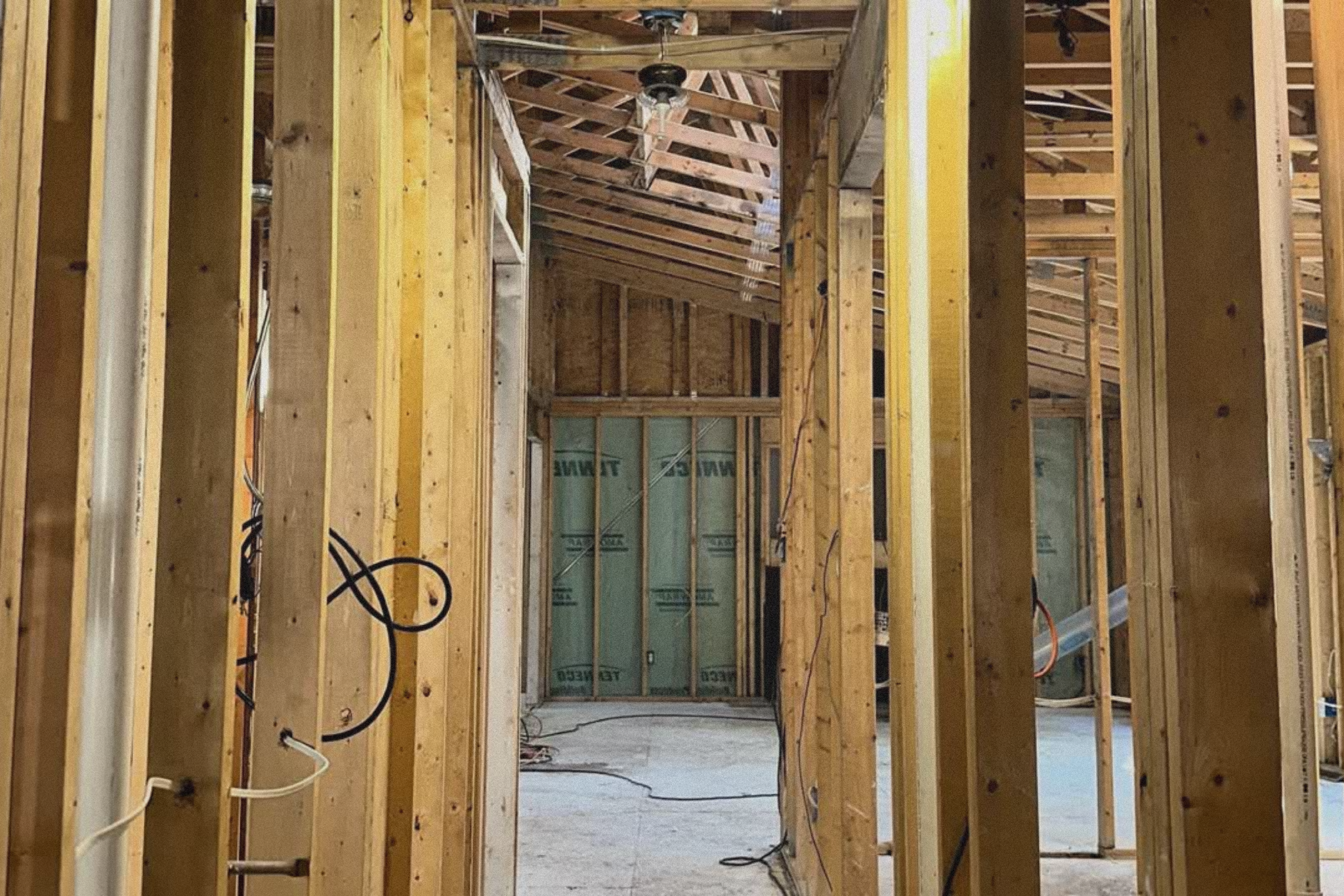
Depending on the damage, restoration may include:
Cleaning Soot and Smoke Residue
The appropriate method depends on the residue and the materials involved. Some items can be cleaned and restored, while others may require removal and replacement.
Smoke Odor Removal
Smoke odors can persist after visible soot has been removed because particles and residues may penetrate porous materials and concealed spaces.
Depending on the source, odor remediation may involve:
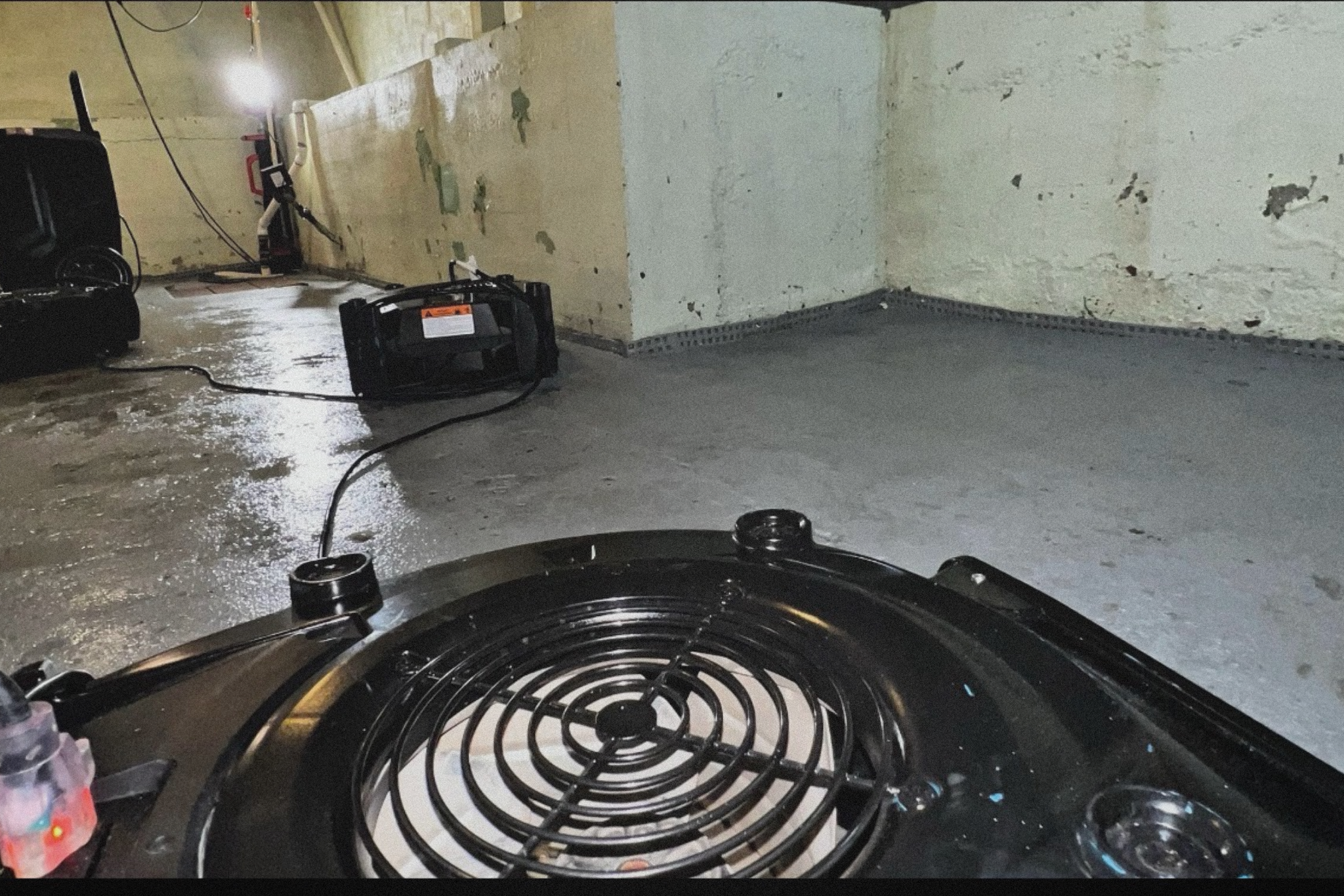
Removing Smoke Odor at the Source
Effective odor treatment addresses the source rather than simply masking the smell.
What Can and Cannot Be Restored?
Whether an item can be restored depends on the severity of the damage, the material involved, the type of residue, and whether it can be cleaned safely and effectively.
Items that may be restorable include furniture, hard surfaces, fixtures, personal belongings, and some building materials. Severely burned, structurally compromised, or heavily contaminated materials may need to be removed and replaced.
Our team assesses affected items and materials to help determine the appropriate next steps.
Fire Damage and Water Damage
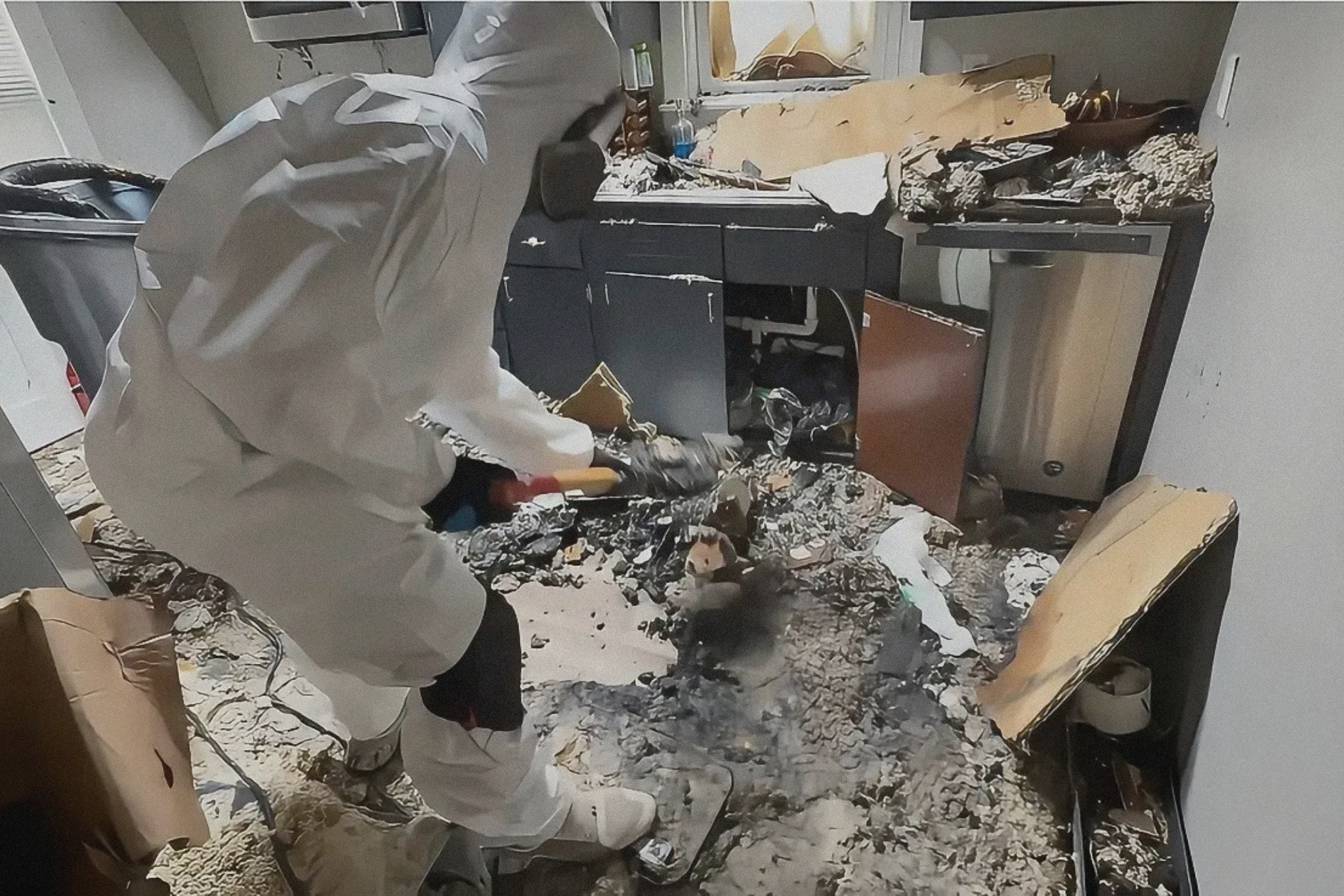
Fire suppression can leave water in flooring, walls, ceilings, insulation, and other building materials. If not addressed, this moisture can cause additional damage.
Power Restoration of Rockford assesses fire-related water damage and can provide water extraction and structural drying as needed to help affected areas recover.
Insurance Documentation and Restoration
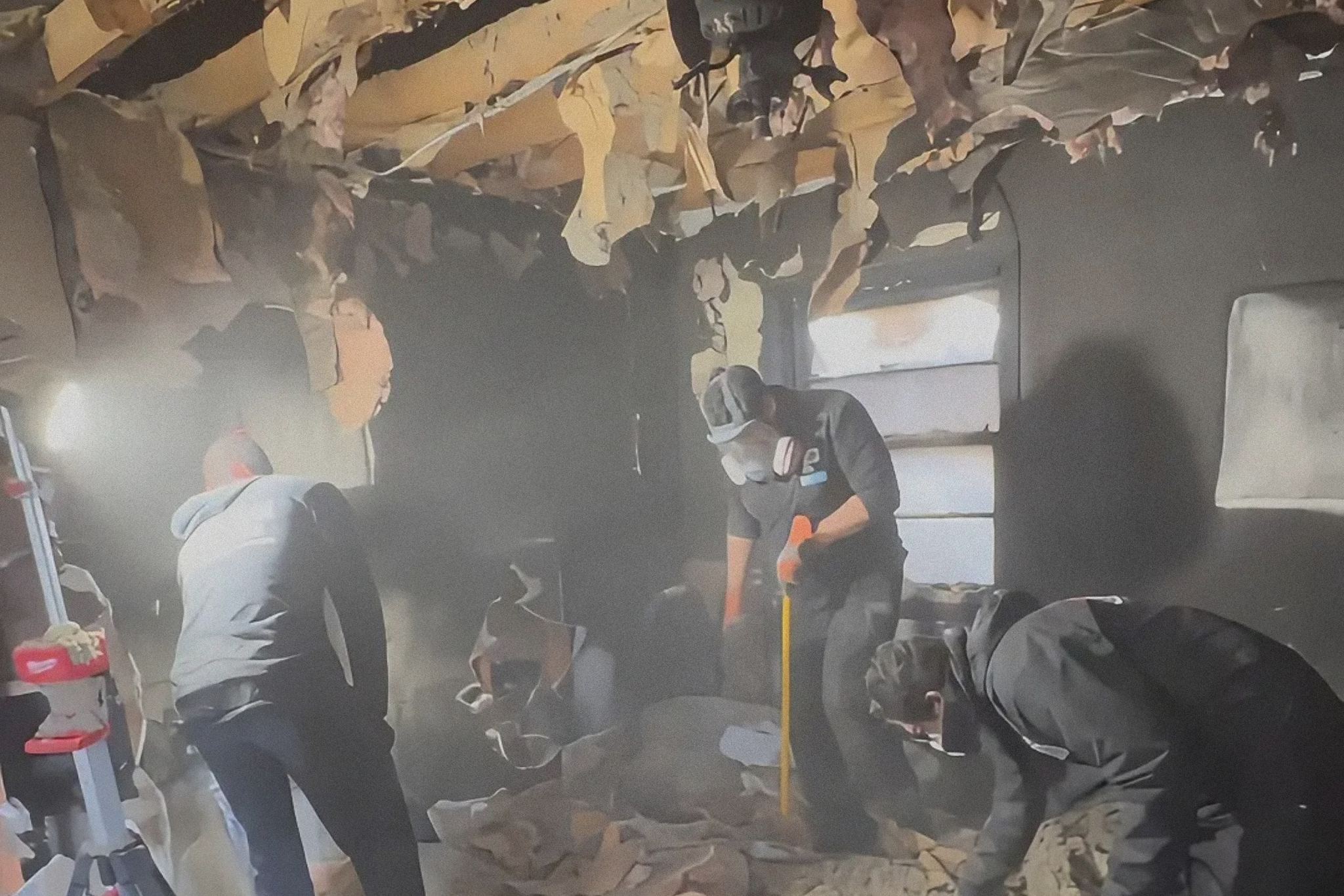
Fire damage claims often require detailed records. We can provide documentation of affected areas and restoration work to help you organize information for your insurer.
Documentation may include:
Does Insurance Cover Fire and Smoke Damage?
Coverage depends on your insurance policy. Our documentation can support the claims process, but your insurer determines coverage.
Why Loves Park Homeowners Choose Power Restoration
Frequently Asked Questions
Once the property is confirmed safe to enter, arrange a professional assessment as soon as practical. Smoke residue, soot, and firefighting water can continue affecting materials after the fire is extinguished.
Yes. Smoke can travel through doorways, wall cavities, and ventilation pathways, leaving residue and odors in areas untouched by flames.
The process depends on the source and severity of the odor. It may include cleaning affected surfaces and contents, removing damaged materials, air filtration, and appropriate odor treatments.
In many cases, yes. The appropriate cleaning method depends on the type of soot, the surface, and the extent of contamination. Some materials may require repainting, removal, or replacement.
Not necessarily. Some furniture can be professionally cleaned and restored. Items that are severely burned or heavily contaminated may not be suitable for restoration.
Coverage depends on your policy, the cause of the loss, and your insurer's assessment. Photographs and restoration records can help support the claims process.
The timeline depends on the extent of fire and smoke damage, the presence of water, the materials affected, and whether rebuilding is required. An assessment helps establish the likely scope of work.
Power Restoration of Rockford serves Loves Park and surrounding communities. Contact our team to confirm service availability for your location.
Need Fire, Smoke or Odor Remediation in Loves Park?
If your property has been affected by fire, smoke, soot, or firefighting water, Power Restoration of Rockford can assess the damage and help you plan the next steps.
Call (815) 721-3493 for emergency assistance.